MBDA and Fortem Expand Counter-Drone Partnership with FireThorn Interceptor
MBDA and Fortem expand their counter-drone partnership, bringing FireThorn and DroneHunter interceptors into European air defense networks.

European missile manufacturer MBDA and American defense technology company Fortem Technologies announced an expanded strategic partnership on October 12, aimed at integrating autonomous drone interception systems into existing military air defense networks across Europe and allied markets.
The agreement builds on a technical collaboration established in 2024, when Fortem's DroneHunter autonomous interceptor was integrated into MBDA's Sky Warden counter-uncrewed aircraft system (C-UAS) architecture.
Under the expanded arrangement, MBDA will offer DroneHunter interceptors directly to its defense and government customers, allowing operators to incorporate autonomous interception capabilities into established air defense infrastructure rather than deploying separate systems.
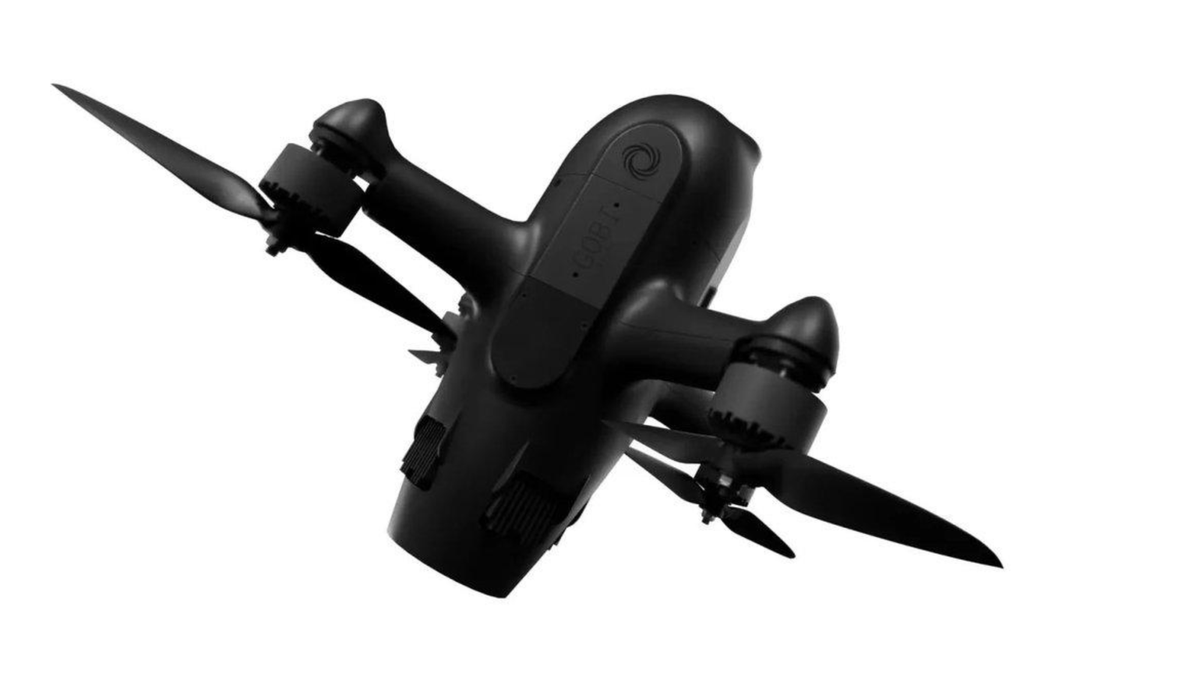
A central element of the partnership is FireThorn, a fully autonomous interceptor jointly developed by the two companies. The system combines Fortem's high-speed, radar-guided airframe with an MBDA warhead approved for NATO use, providing a kinetic interception capability against hostile unmanned aircraft.
According to the companies, FireThorn is designed to counter one-way attack drones, including Shahed and Geran variants, as well as Orlan reconnaissance drones. The system is intended to provide an additional defensive layer against threats that have become increasingly prominent in the war in Ukraine.
Two Interception Methods for Different Operational Environments
The expanded portfolio brings together two distinct counter-drone technologies. FireThorn uses a warhead to destroy hostile aircraft, while DroneHunter employs autonomous interception and net capture to disable and recover drones without relying on an explosive engagement.
DroneHunter is particularly suited to environments where minimizing collateral damage is important, including military installations, critical infrastructure and densely populated areas. Its capture mechanism also allows operators to recover intercepted drones for technical examination and intelligence exploitation.
FireThorn, by contrast, is intended for higher-threat scenarios requiring the physical destruction of attacking aircraft. Integrating both capabilities into MBDA's air defense architecture could provide operators with greater flexibility in selecting an appropriate response based on the threat and operating environment.
The cooperation also reflects growing industry interest in integrating relatively small autonomous interceptors into broader air defense systems. Rather than treating counter-drone equipment as an independent capability, manufacturers are increasingly positioning these systems alongside existing sensors, command-and-control infrastructure and other air defense weapons.
For European armed forces, such integration is particularly relevant as militaries assess how to counter large numbers of relatively inexpensive unmanned aircraft without relying exclusively on conventional surface-to-air missiles.
FireThorn Presented at AUSA 2026
The expanded partnership was announced during the opening day of the Association of the United States Army's AUSA 2026 Annual Meeting and Exposition in Washington, D.C., where FireThorn is scheduled to be displayed at MBDA's booth from October 12 to 14.
Fortem CEO Jon Gruen said the partnership would allow the company's autonomous interceptors to become part of an established European air defense ecosystem, providing allied forces with additional options for protecting military personnel, bases and critical infrastructure.
Fortem, headquartered in Utah, develops the SkyDome family of counter-drone systems, combining radar sensors, command-and-control software and autonomous interceptors. The company says its technology has been used operationally in Ukraine, the Middle East and East Asia.
The companies have not disclosed the financial terms of the expanded agreement or announced specific procurement contracts, customers or deployment schedules. Future sales will remain subject to applicable export authorizations.
The partnership nevertheless broadens MBDA's counter-drone portfolio at a time when European and NATO armed forces are placing greater emphasis on layered air defense against increasingly diverse unmanned aerial threats.