Poland to Host Lockheed Martin’s European PAC-3 Missile Maintenance Hub
Lockheed Martin plans a European PAC-3 missile maintenance hub in Poland, expanding NATO sustainment capabilities and creating opportunities for local defense suppliers.

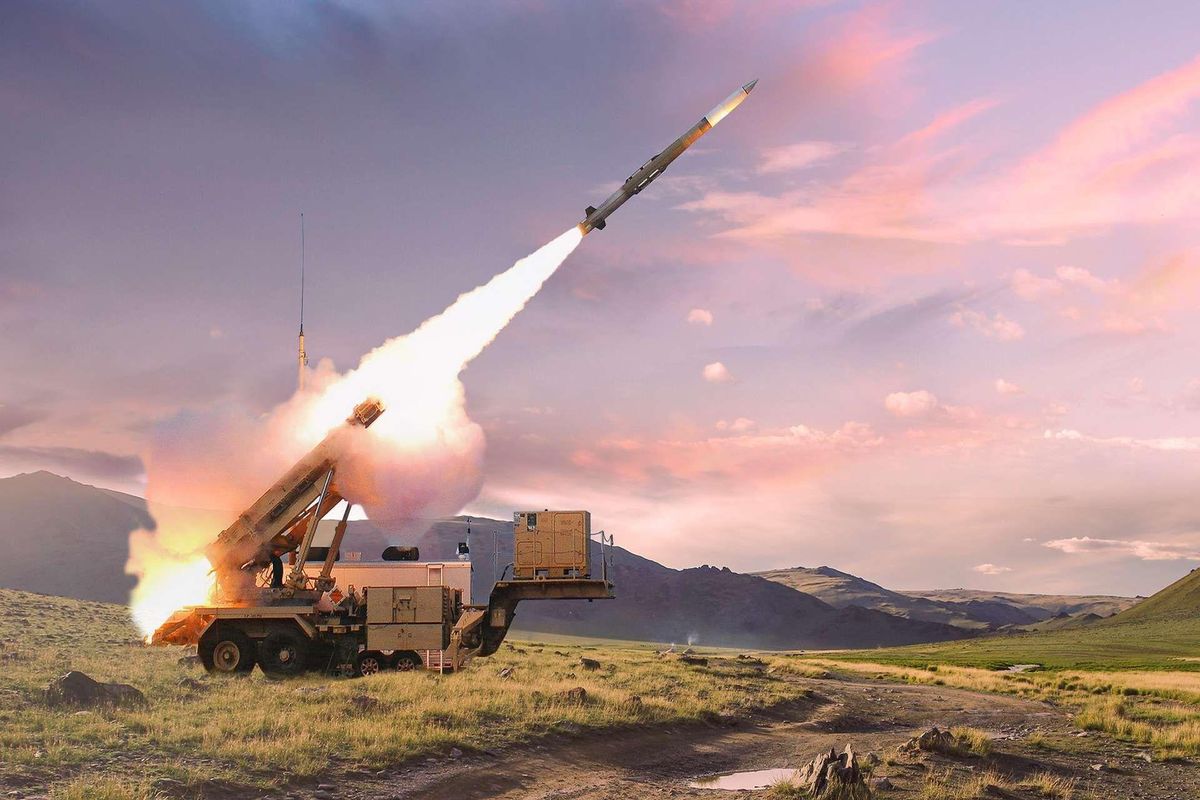
Poland has been selected to host a new European maintenance facility for Lockheed Martin's PAC-3 missile interceptors, marking a significant expansion of the country's role in NATO's air and missile defense industrial infrastructure.
The decision, announced on October 27, 2026, by the United States government and Lockheed Martin, will establish a regional center for maintaining, repairing and recertifying PAC-3 missiles used by NATO allies.
The facility will be developed through a transatlantic industrial partnership involving the United States, Poland, Germany, the Netherlands and Sweden.
Poland Becomes European PAC-3 Maintenance Hub
The planned PAC-3 Missile Maintenance Facility (MMF) will provide repair, refurbishment, lifecycle support, recertification and integrated testing services for the interceptor family.
Establishing these capabilities in Poland is intended to reduce the time required to return missiles to service while improving supply-chain resilience and operational readiness across NATO's European members.
Germany, the Netherlands and Sweden will play important roles in supply-chain integration, building on the agreement signed by the five participating countries during the NATO Summit Defense Industry Forum in Ankara in July 2026.
The project also represents a new industrial opportunity for Polish companies involved in precision engineering, missile maintenance, testing equipment and specialized technical services.
Lockheed Martin confirmed that the facility will be integrated into Poland's existing defense industrial ecosystem, creating skilled employment and opportunities for local suppliers.
However, the company has not yet disclosed the facility's exact location, investment value, construction timetable or expected annual maintenance capacity.
Lockheed Martin Expands Its European Industrial Footprint
Tim Cahill, president of Lockheed Martin Missiles and Fire Control, said the new center will strengthen European sustainment capabilities and help ensure PAC-3 interceptors remain available to allied forces.
Jay Pitman, president of Lockheed Martin International, emphasized that the initiative will deepen industrial cooperation across Poland, Germany, the Netherlands and Sweden while creating additional opportunities for suppliers on both sides of the Atlantic.
The announcement comes as Lockheed Martin continues expanding its broader manufacturing presence in Poland.
As AdriaDefense recently reported, the company's Polish subsidiary PZL Mielec is preparing to manufacture approximately 13,000 electrical and fiber-optic wiring harnesses annually for the F-35 fighter aircraft.
Together, the two developments illustrate Poland's growing importance within Lockheed Martin's European manufacturing and sustainment network.
Growing Demand for Patriot Interceptors
The new facility comes amid increasing demand for PAC-3 Missile Segment Enhancement (MSE) interceptors, particularly as NATO members expand their air and missile defense inventories.
Earlier this month, Polish military officials warned of potential delays in PAC-3 MSE deliveries as pressure on American production capacity and missile inventories continues.
The United States has also moved to expand interceptor manufacturing. A seven-year framework agreement announced in January 2026 established a target to increase annual PAC-3 MSE production capacity from approximately 600 to 2,000 missiles, subject to the necessary contractual and funding arrangements.
While the Polish maintenance center will not manufacture complete interceptors, it will address another important element of the missile supply chain: maintaining operational readiness throughout the missiles' service lives.
For Poland, the selection represents a further move beyond the acquisition of American defense equipment toward hosting regional support capabilities serving multiple NATO countries.
The project could strengthen the country's position as a European defense-industrial hub, although the scale of local participation will depend on supplier selection and implementation details that have yet to be announced.
Source: Lockheed Martin, official announcement, October 27, 2026.