Poland Warns of Delays to Patriot PAC-3 MSE Missile Deliveries
Poland expects delays in U.S.-supplied PAC-3 MSE Patriot interceptors as global demand strains missile stocks. HIMARS delivery schedules are also uncertain.

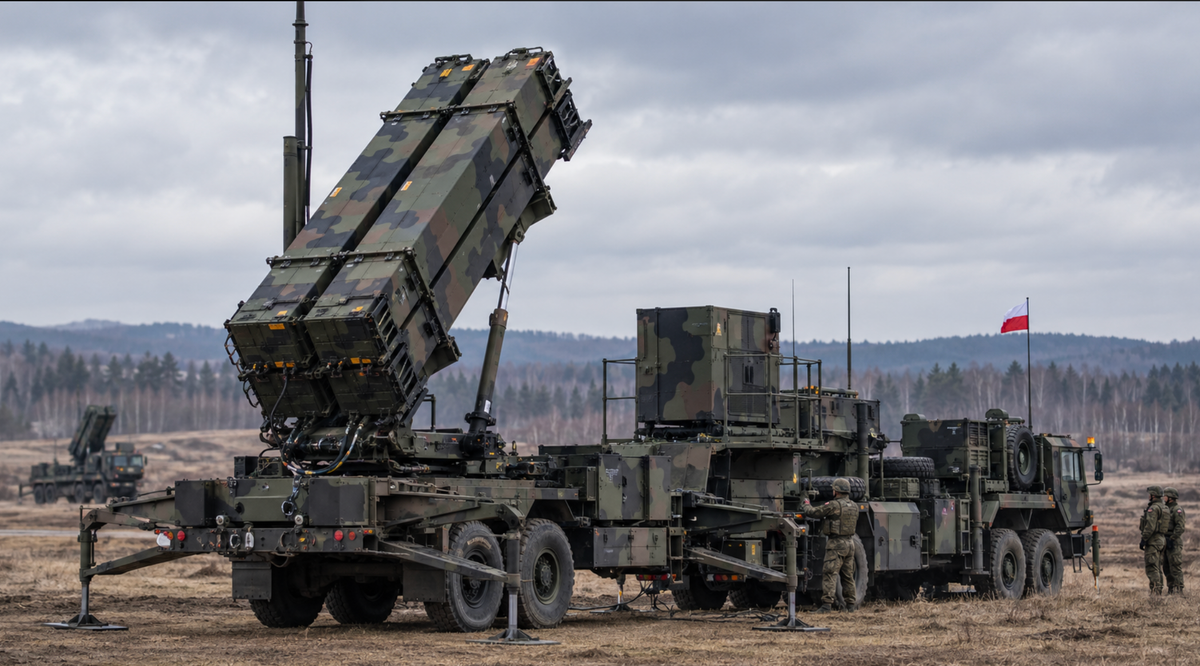
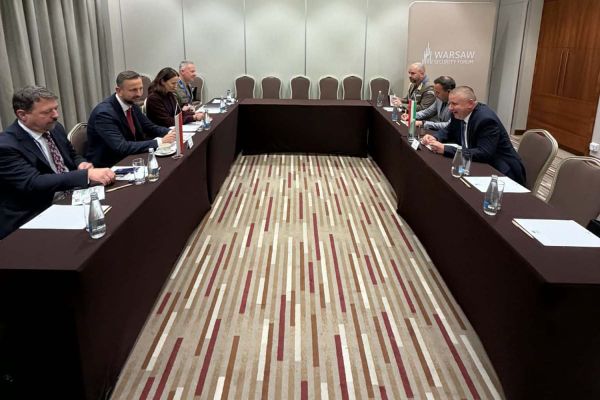
Poland expects delays in deliveries of U.S.-made PAC-3 Missile Segment Enhancement (MSE) interceptors for its Patriot air defense systems, according to General Ireneusz Nowak, Operational Commander of the Polish Armed Forces. Speaking at the Warsaw Security Forum on October 12, 2026, Nowak warned that growing pressure on U.S. weapons inventories would affect Polish procurement schedules.
The warning comes as U.S. military operations involving Iran continue to place pressure on missile stocks and defense production capacity. According to Reuters, Washington had already informed some European allies earlier this year that previously contracted weapons deliveries could face delays.
Nowak identified PAC-3 MSE interceptors as a procurement category where delays are expected. He also expressed uncertainty over the timely fulfillment of contracts involving the High Mobility Artillery Rocket System (HIMARS), although he did not confirm specific delays to those deliveries.
Polish authorities have not disclosed the number of PAC-3 MSE missiles affected, revised delivery dates or the specific contracts involved.
Patriot deliveries and Poland's Wisła program
The PAC-3 MSE interceptor, manufactured by Lockheed Martin, is a central component of Poland's Wisła air and missile defense modernization program. The missile is designed to engage ballistic missiles and other airborne threats using hit-to-kill technology.
Poland acquired its first two Patriot batteries under a $4.75 billion agreement signed in 2018. Both reached full operational readiness in December 2025, while Warsaw is acquiring six additional batteries under the second phase of Wisła.
The reported missile delivery delays do not establish that Poland's existing Patriot batteries are unavailable or that deliveries of launchers and radar systems have been postponed.
The procurement warning also comes as Poland seeks greater involvement in missile manufacturing. At the same Warsaw Security Forum, Defense Minister Władysław Kosiniak-Kamysz called for U.S. defense manufacturers to establish additional production and maintenance facilities in Europe, including capabilities associated with Patriot systems.
Lockheed Martin already works with Polish defense companies under Wisła industrial cooperation agreements. These partnerships include the production of PAC-3 MSE components and launcher-related equipment, with further manufacturing activities under development.
In September 2026, Lockheed Martin announced additional progress in its cooperation with Wojskowe Zakłady Elektroniczne on PAC-3 MSE attitude control components.
The delivery warning highlights the distinction between expanding European participation in U.S. missile supply chains and securing timely deliveries of complete interceptor missiles.
Poland's procurement timetable will depend on U.S. production capacity, existing contractual commitments and decisions on allocating interceptors among American and allied requirements. No updated delivery schedule has been publicly confirmed.