Quantum Systems Expands Estonia Operations to Build European ISR Software Hub
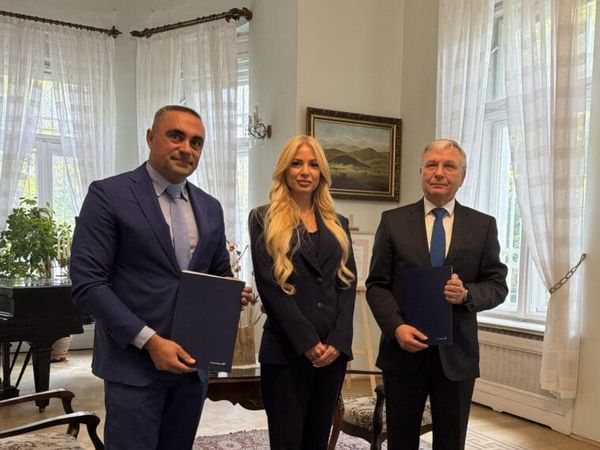
Quantum Systems has expanded its presence in Estonia by opening a Tallinn office and acquiring defense software company SensusQ, strengthening its ISR software capabilities following its $1.2 billion Series D funding round.

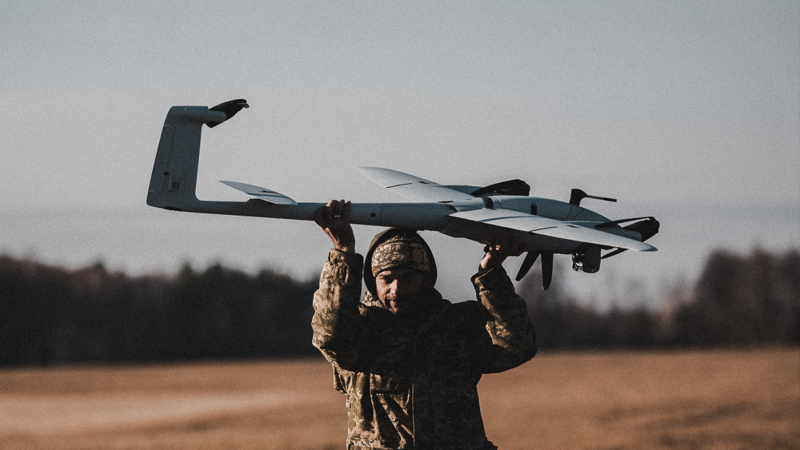
Quantum Systems is expanding its footprint in Estonia with a new office in Tallinn and the acquisition of Estonian defense software company SensusQ, a move that reflects the German company's broader strategy of building software-driven intelligence, surveillance and reconnaissance capabilities across Europe. The expansion follows Quantum Systems' $1.2 billion Series D funding round completed on July 2 and strengthens its presence on NATO's eastern flank.
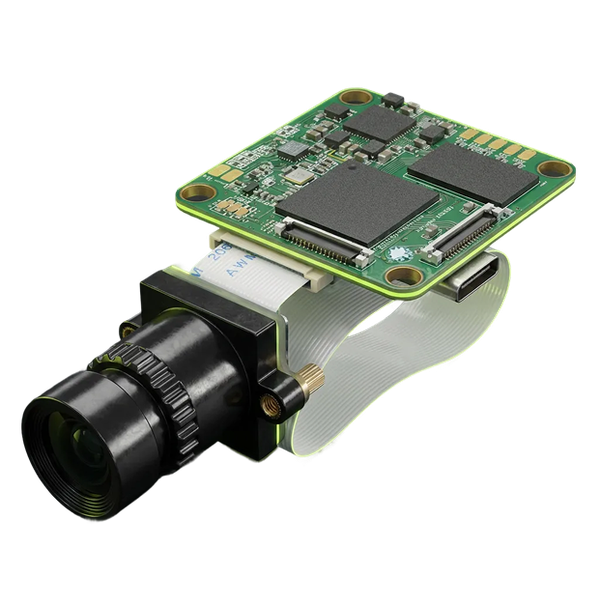
Rather than simply increasing its physical presence in the Baltics, the company is adding software expertise to complement its growing portfolio of unmanned systems. Tallinn will become Quantum Systems' Estonian capability center, bringing together local software engineers alongside expertise in electro-optical sensors, stabilized payloads and precision ISR technologies.
SensusQ acquisition expands software capabilities
The acquisition of SensusQ is the centerpiece of the expansion. Founded in Tallinn, SensusQ develops intelligence management software that helps defense and security organizations process, organize and analyze large volumes of operational data.
By integrating SensusQ into its operations, Quantum Systems gains software designed to fuse information from multiple sources into actionable intelligence. The company said the acquisition strengthens its ability to connect unmanned aircraft, sensors and analytics within a sovereign European ISR architecture. Financial terms of the transaction were not disclosed.
The move illustrates a wider trend in the European defense industry. Drone manufacturers increasingly compete not only through aircraft performance but also through software that enables faster decision-making, sensor fusion and mission management.
Estonia strengthens its position in Europe's defense technology sector
For Estonia, the investment further reinforces the country's reputation as a regional hub for defense technology and military software.
Over the past several years, Estonia has attracted growing investment in cyber security, artificial intelligence and battlefield software, making it an attractive location for companies seeking highly skilled engineering talent and close cooperation with NATO partners. Quantum Systems already maintains operations in Lithuania, and the Tallinn office expands its Baltic network as European governments continue to increase investment in autonomous systems.
Expansion follows record investment and European growth
The Estonia expansion comes only days after Quantum Systems announced a $1.2 billion Series D financing round, one of the largest funding rounds completed by a European defense technology company.
According to the company, the new capital will support production expansion, software development, artificial intelligence capabilities and international growth. The funding also supports the company's transition from supplying individual unmanned aircraft toward delivering integrated autonomous systems connected through its MOSAIC UXS software ecosystem.
The company has also continued expanding its European partnerships. In mid-July, Quantum Systems finalized a strategic investment agreement with Ukrainian robotics company Frontline while becoming one of the founding industrial participants in the European Union's Ukraine Drone Deal, highlighting its growing role within Europe's evolving defense industrial base.
For AdriaDefense readers, the Estonia expansion is significant because it highlights how European defense companies increasingly view software, artificial intelligence and ISR data processing as strategic capabilities alongside drone manufacturing. As procurement priorities shift toward integrated autonomous systems, companies able to combine aircraft, sensors and software under one architecture are likely to play a larger role in future European and NATO modernization programs.