Rheinmetall Plans Humanoid Combat Robot Prototypes Within 18 Months
Rheinmetall CEO Armin Papperger says the company could unveil its first humanoid military robot prototypes within 15 to 18 months, with development focused on AI and military-grade capabilities.

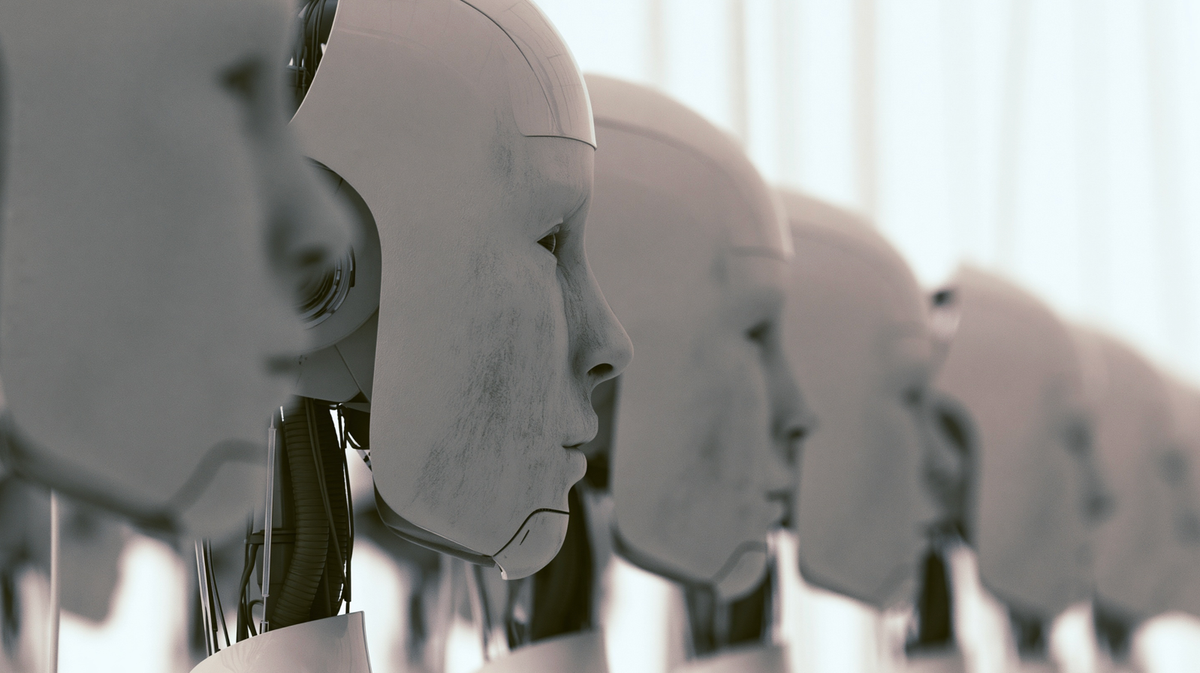
German defense manufacturer Rheinmetall plans to present its first prototypes of humanoid military robots within approximately 15 to 18 months, according to CEO Armin Papperger, who confirmed that the company is investing heavily in the technology.
Speaking to RTL/ntv during the Süddeutsche Zeitung economic summit in November 2026, Papperger said Rheinmetall was developing humanoid robots designed to meet military requirements, with the first prototypes potentially appearing in early 2028.
The company is currently working on the upper body of its humanoid robot concept. Papperger did not disclose technical specifications, development costs or the specific military missions the robots might eventually perform.
Artificial Intelligence Remains the Main Challenge
According to Papperger, developing humanoid robots capable of operating in military environments requires significantly more than mechanical engineering. Advanced artificial intelligence will be essential for machines to communicate with soldiers, cooperate with human personnel and respond appropriately to complex situations.
While commercial humanoid robots are increasingly capable of performing basic physical tasks, adapting such technology for military applications presents additional challenges. Military systems must operate reliably in unpredictable environments, potentially under extreme physical conditions and with limited human intervention.
Rheinmetall has not explained whether its future humanoid systems will be remotely operated, partially autonomous or capable of conducting combat tasks independently. The company has also not identified customers or announced a procurement program or timetable for operational deployment.
The 15-to-18-month target concerns the presentation of prototypes, rather than the delivery of combat-ready systems.
Rheinmetall's Humanoid Robotics Research Center in Bremen
Rheinmetall's ambitions in humanoid robotics were first publicly outlined in greater detail in September 2026, when Papperger confirmed in an interview with Euronews that the company operates a dedicated research center in Bremen, Germany.
At the time, Papperger explained that Rheinmetall was investing substantial resources in humanoid robotics, although the company had not yet developed products ready for series production.
The Bremen research activities demonstrate that Rheinmetall's interest in humanoid robots extends beyond initial concepts, with dedicated research already underway. However, the company has not publicly disclosed the size of the development team, its technology partners or the overall investment allocated to the program.
From Prototype to Battlefield Capability
The development of humanoid military robots raises important questions about their potential advantages over conventional unmanned ground vehicles.
Human-shaped machines could eventually operate in environments designed for soldiers, potentially performing physically demanding tasks, assisting personnel or supporting operations in hazardous locations. However, Rheinmetall has not confirmed any of these roles for its planned prototypes.
Important challenges remain, including mobility across difficult terrain, power consumption, mechanical reliability and the ability of artificial intelligence to interpret rapidly changing situations. Military operations also require coordination between personnel and equipment, making dependable human-machine interaction a critical consideration.
The first prototypes will therefore represent an early technological milestone rather than evidence of operational readiness. Demonstrating that humanoid robots can perform useful military tasks reliably under realistic conditions will be essential before such systems can enter service.
For Rheinmetall, the project represents another investment in emerging defense technology as European manufacturers explore how robotics and artificial intelligence could change military operations.
Whether humanoid robots will ultimately become practical battlefield systems remains uncertain, but Rheinmetall's development timeline suggests that its first military-oriented designs could become visible within the next two years.