Romania Moves Forward With €8.3 Billion SAFE Defense Projects Package
Romania is advancing a series of defense procurement projects valued at €8.3 billion under the SAFE framework. The initiative targets capability upgrades across multiple domains. The move reflects Bucharest’s continued alignment with NATO requirements and regional security priorities.


Romania has taken further steps to implement a set of defense acquisition programs with an estimated total value of €8.3 billion under the Strategic Armament and Force Enhancement framework. The package includes multiple projects intended to modernize the country’s armed forces and expand operational capabilities.
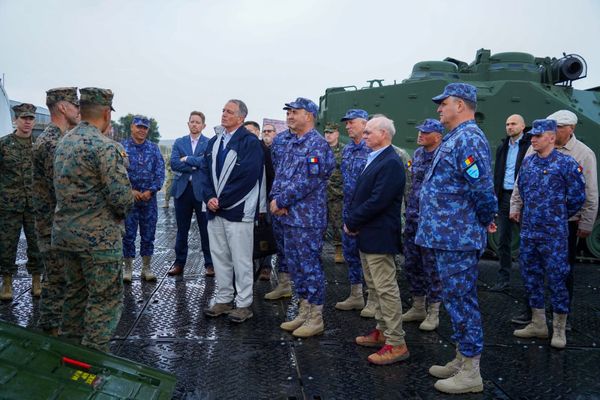
According to information released by national authorities, the planned investments cover land, air, and naval systems. The effort is designed to address capability gaps while supporting interoperability with NATO forces. Officials indicated that the program also aims to strengthen Romania’s defense posture on the Alliance’s eastern flank.
The procurement plans include both new acquisitions and upgrades of existing systems. While detailed timelines and specific contract allocations have not been fully disclosed, the Ministry of National Defense signaled that several programs are progressing through approval and planning stages.
Industrial participation is expected to play a role in the implementation of these projects. Romanian authorities have emphasized the importance of involving domestic industry where possible, alongside cooperation with international defense manufacturers. This approach aligns with broader European efforts to reinforce the regional defense-industrial base.
The SAFE-related investments come as Romania continues to increase defense spending in line with NATO commitments. The country has prioritized modernization programs in recent years, focusing on air defense, armored vehicles, naval platforms, and command and control systems.
The €8.3 billion package represents one of the more significant coordinated procurement efforts in the region. Its execution will likely have implications for suppliers across Europe and North America, particularly in segments linked to integrated defense systems and long-term support contracts.