Slovenia and Germany Sign Agreement for Additional IRIS-T SLM Missiles
Slovenia and Germany have amended their IRIS-T SLM procurement agreement, opening the way for additional missile purchases as Ljubljana prepares to receive its first system in 2027.


Slovenia and Germany have signed an amendment to their bilateral air defense procurement agreement, enabling Ljubljana to acquire additional missiles for its German-made IRIS-T SLM systems.
Slovenian Defense Minister Valentin Hajdinjak and German Defense Minister Boris Pistorius signed the amendment in Brussels on November 17, on the sidelines of a meeting of European Union defense ministers.
The agreement builds on Slovenia's participation in the German-led European Sky Shield Initiative (ESSI), a multinational effort to coordinate air defense procurement and improve interoperability among participating countries.
According to the Slovenian Ministry of Defence, the amended arrangement will allow Slovenia to purchase additional IRIS-T SLM guided missiles, strengthening the country's ability to protect its airspace.
The ministry did not disclose the number of additional missiles, their estimated value or a delivery schedule. The amendment therefore establishes a procurement mechanism rather than confirming that a new missile purchase contract has been awarded.
Slovenia has already ordered three IRIS-T SLM fire units
Slovenia selected the German air defense system in January 2024, initially ordering one fire unit through a procurement arrangement coordinated with Germany.
In July 2025, the country expanded the program by ordering two additional fire units from Diehl Defence.
According to the German manufacturer, each procurement package includes radar equipment, a tactical operations center, missile launchers and guided missiles, supported by logistics and maintenance equipment.
The new November 2026 agreement concerns additional missile stocks rather than a publicly announced fourth fire unit.
Slovenia's first IRIS-T SLM system is currently expected to be delivered in 2027, according to a separate ministry statement issued on November 3.
European air defense investment increasingly focuses on missile stocks
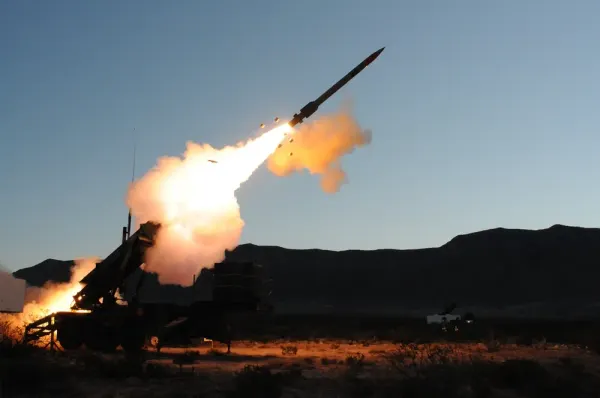
IRIS-T SLM is designed to engage combat aircraft, helicopters, cruise missiles and unmanned aerial vehicles. Diehl Defence lists an engagement range of up to 40 kilometers and an altitude coverage of up to 20 kilometers for the system.
The platform is already part of a growing European network of ground-based air defense capabilities, with Germany, Estonia, Latvia, Slovenia and other countries acquiring systems from the same manufacturer.
As explained in AdriaDefense's comparison of NATO air defense systems, maintaining sufficient interceptor stocks is an essential part of effective layered air defense.
For smaller countries such as Slovenia, the availability of additional missiles matters alongside the acquisition of launchers and radars. A modern air defense system requires a sustained supply of interceptors for operational readiness, training and future replenishment.
The latest bilateral agreement illustrates how Germany's role extends beyond coordinating initial system purchases to supporting longer-term missile procurement among participating European countries.