Swarmer to Acquire Ratel Robotics in Deal Worth Up to $224M
Swarmer agreed to acquire Ukraine’s Ratel Robotics for up to $224 million, combining drone swarm software with combat-tested unmanned ground vehicles.


Swarmer, Inc. has entered a definitive agreement to acquire Ukrainian unmanned ground vehicle manufacturer Ratel Robotics in a cash-and-stock transaction worth up to $224 million if all earnout milestones are met. The transaction brings together Swarmer’s artificial intelligence-based drone coordination software and Ratel’s combat-used ground robotic platforms as consolidation begins across Ukraine’s large defense technology sector.
The acquisition remains subject to customary closing conditions and required legal, regulatory and shareholder approvals. It represents Swarmer’s first major acquisition under Chairman Erik Prince and would expand the company from software for aerial autonomous systems into ground robotics.
Ratel Robotics has secured $86 million in contracts in 2026 and is holding discussions with several NATO countries under the Build With Ukraine initiative, according to information released with the transaction announcement. The Kyiv-based manufacturer develops unmanned ground vehicles for logistics, casualty evacuation and other battlefield missions.
Swarmer combines drone autonomy with Ukrainian ground robots
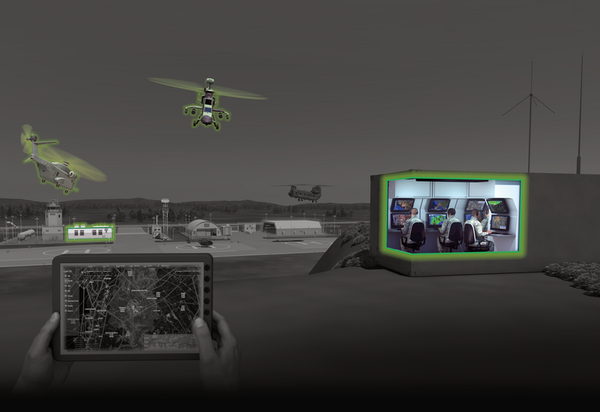
Swarmer develops vendor-agnostic software intended to coordinate multiple unmanned systems while reducing the number of human operators required to control them. The company says its technology has supported more than 100,000 combat missions in Ukraine since April 2024.
The company completed its initial public offering on the Nasdaq Capital Market in March 2026 under the SWMR ticker. Swarmer sold 3.45 million shares at $5 per share and received approximately $14.7 million in net proceeds from the offering.
Swarmer has subsequently expanded its commercial and military relationships outside Ukraine. A June agreement involving Kyiv-based Meta Bureau and Czech company Progress TRW expanded a SkyKnight software licensing arrangement that Swarmer said could generate up to $14.2 million if all options are exercised.
Acquiring Ratel would add physical ground platforms to that software-centered business. Ratel’s portfolio includes the Ratel H, Ratel M, Ratel S and Ratel X, alongside specialized platforms for casualty evacuation, logistics, engineering and other missions.
Ratel robots are already operating on Ukraine’s front line
Ratel Robotics emerged after Russia’s full-scale invasion of Ukraine in 2022, when its team shifted from professional street-lighting work toward military ground robotics. Its vehicles have since moved from development into recurring frontline operations.
The company reported that its unmanned ground systems completed more than 1,100 missions during August 2026, ranging from logistics to casualty evacuation. Ratel has also begun serial production of an updated Nurse TB20 evacuation system and is developing an amphibious version of the Ratel X.
Individual platforms have accumulated documented battlefield experience. A Ratel H used by Ukraine’s 79th Separate Air Assault Brigade completed roughly 50 missions over almost a year, transported about 19 tonnes of cargo and remained operational after three FPV drone strikes, according to Ukraine’s 7th Air Assault Corps.
The Ratel H has a stated payload capacity of up to 400 kg and range of up to 60 km. Ukraine’s defense technology market increasingly favors logistics UGVs because they can move ammunition and supplies or evacuate casualties while reducing the need to expose personnel to contested routes.
Ratel is also broadening the platform beyond transport missions. The company has tested an AI-assisted net-launching system intended to engage hostile drones from Ratel H and Ratel M vehicles, while another Ratel H configuration is undergoing testing with a 12.7 mm weapon station.
Ukraine’s defense-tech industry enters a consolidation phase
The strategic significance of the Swarmer-Ratel transaction extends beyond the two companies. Ukraine created a large and decentralized unmanned-systems industrial base during the war, but many manufacturers remain relatively small businesses built around specific battlefield requirements.
The Wall Street Journal estimates that Ukraine’s drone industry now includes more than 500 companies and identified the Swarmer-Ratel transaction as an early indication of consolidation in the sector. Other Ukrainian defense businesses have also started combining operations as companies seek manufacturing scale, capital and access to foreign markets.
That process coincides with rapidly growing Ukrainian procurement of ground systems. Ukraine’s Defence Procurement Agency had signed 19 UGV contracts worth UAH 11 billion by April 2026 and planned to contract 25,000 unmanned ground systems during the first half of the year, according to figures cited by Defence Ukraine.
Swarmer’s acquisition strategy therefore links two technologies that Ukraine has developed rapidly under wartime conditions: collaborative autonomy in the air and robotic operations on the ground.
The potential longer-term value lies in whether Swarmer can integrate its autonomy and command software with Ratel’s ground platforms. Swarmer describes its architecture as supporting multi-domain unmanned-system integration, although neither company has announced a specific integrated Swarmer-Ratel product as part of the acquisition.
That distinction matters. The transaction creates the corporate structure for combined air-ground autonomy, but technical integration, new products and NATO customer programs will depend on development and procurement decisions after the acquisition closes.
Ratel deal could open a route from Ukraine to NATO markets
Ratel’s discussions with NATO countries under Build With Ukraine add an export dimension to the transaction. Ukrainian defense companies increasingly face the challenge of converting battlefield demand into sustainable production and international sales while continuing to supply Ukrainian forces.
Swarmer already operates through a U.S.-listed corporate structure. According to its Securities and Exchange Commission filings, Swarmer, Inc. is incorporated in Delaware and headquartered in Austin, Texas, while its organization includes operations originating in Ukraine and Estonia.
The combination could therefore give Ratel a larger route into Western capital and procurement networks while giving Swarmer direct access to a Ukrainian manufacturer whose systems are accumulating battlefield operating data.
For the wider Ukrainian defense industry, the transaction will be worth watching as a possible model for further consolidation: combat-developed Ukrainian hardware combined with Western capital, corporate structures and international market access.
Questions and answers
How much is Swarmer paying for Ratel Robotics?
Swarmer has agreed to acquire Ratel Robotics in a cash-and-stock transaction worth up to $224 million if all earnout milestones are achieved. The transaction remains subject to closing conditions and required approvals.
What does Ratel Robotics manufacture?
Ratel Robotics develops Ukrainian unmanned ground vehicles including the Ratel H, Ratel M, Ratel S and Ratel X. Its platforms support missions including logistics and casualty evacuation, with other configurations and integrations under development.
What does Swarmer do?
Swarmer develops artificial intelligence and autonomy software for coordinating unmanned systems. The company says its software has supported more than 100,000 combat missions in Ukraine since April 2024.
Why is the Swarmer-Ratel deal significant for Ukraine?
The acquisition is an early large-scale consolidation between companies specializing in different parts of Ukraine’s unmanned warfare ecosystem. It combines aerial drone autonomy software with a manufacturer of ground robotic systems at a time when Ukrainian defense companies are seeking greater production scale and access to NATO markets.