Thales and MESKO Sign Agreement on 70 mm Rocket Production Cooperation in Poland
Thales and Polish defense manufacturer MESKO have signed a memorandum of understanding aimed at expanding industrial cooperation on 70 mm rocket systems. The agreement includes technology transfer and the localization of key production activities in Poland.

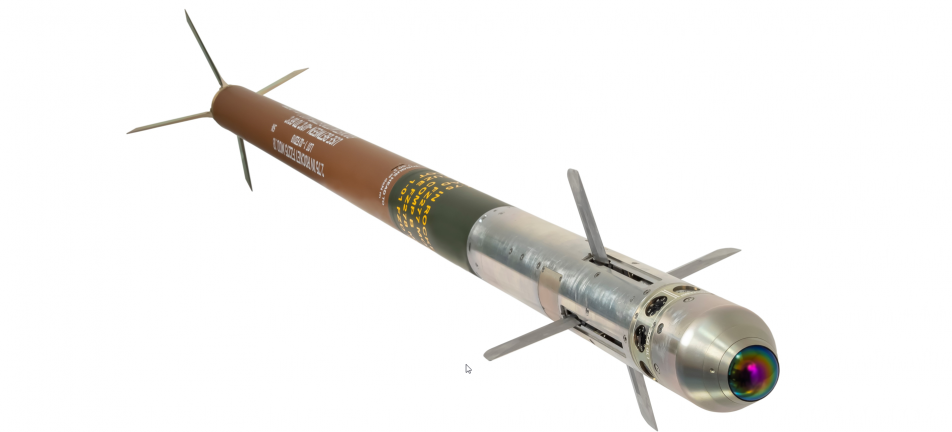
PARIS – Thales and MESKO have signed a memorandum of understanding during Eurosatory 2026 to strengthen cooperation on the production of 70 mm rocket systems in Poland, marking another step in the country's efforts to expand domestic missile and ammunition manufacturing capabilities.
Under the agreement, MESKO, a subsidiary of Poland's PGZ Group, will become Thales' primary industrial partner in Poland for 70 mm rocket programs. The cooperation is expected to include the transfer of industrial know-how and selected production activities to Polish facilities.
According to information released during the exhibition, the partnership covers the assembly of rocket motors as well as the production of critical components by companies within the PGZ industrial network. The companies stated that the arrangement is intended to increase Poland's role within the European supply chain for 70 mm rocket systems while supporting future production growth.
The agreement comes amid rising demand for precision-guided and short-range rocket systems across Europe. Thales noted that laser-guided 70 mm rockets have gained increased operational relevance in recent conflicts, including applications against unmanned aerial threats.
For Poland, the cooperation aligns with a broader strategy focused on expanding sovereign defense manufacturing capacity and securing greater participation in multinational European defense programs. The memorandum follows several recent industrial initiatives involving MESKO and international partners aimed at increasing domestic production of critical munitions and propulsion technologies.
The announcement also reflects a wider trend across Europe toward localized production, technology transfer, and supply chain resilience as NATO members seek to accelerate defense industrial output in response to growing security requirements.