Ukraine Maps 70 Firms Behind Russia’s 3M22 Zircon Missile
Ukraine identified 70 firms and 84 people linked to Russia’s 3M22 Zircon missile, exposing its production chain, components and foreign equipment.

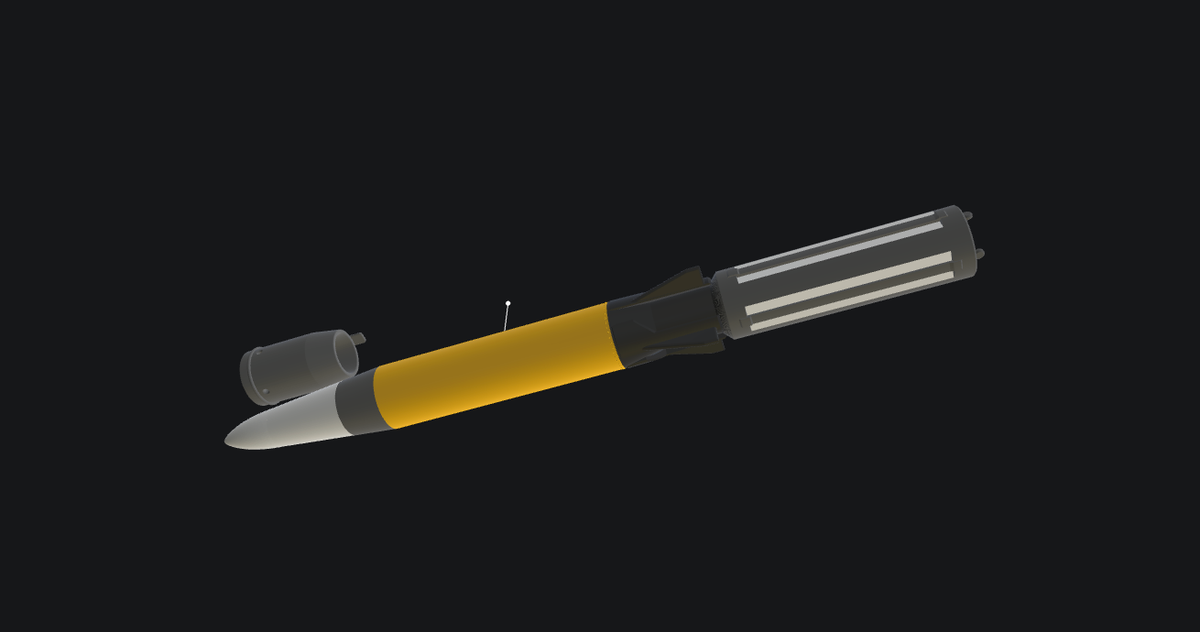
Ukraine has identified 70 companies and 84 officials and employees connected to the production of Russia’s 3M22 Zircon missile, publishing a detailed map of the weapon’s industrial base on August 31. The Defence Intelligence of Ukraine also released an interactive 3D model, technical data, component information and details of foreign manufacturing equipment used by companies supporting the Zircon program.
The disclosure expands Ukraine’s effort to map the industrial networks behind Russia’s long-range strike weapons. By connecting individual missile systems with manufacturers, personnel and production equipment, Kyiv is creating a public dataset that could also support sanctions enforcement and efforts to restrict Russia’s access to industrial technology.
Ukraine identifies 70 companies in the Zircon supply chain
The new data appeared on the Defence Intelligence of Ukraine’s War&Sanctions portal under its database covering Russian ballistic weapons.
Ukraine identified 70 enterprises involved in producing the 3M22 Zircon and its major systems and assemblies. The database covers companies associated with areas including the missile body, propulsion, solid rocket propellant and other subsystems.
Among the organizations identified by Ukrainian intelligence is Tactical Missiles Corporation, one of Russia’s largest state-owned missile manufacturers. The War&Sanctions database links the group not only to Zircon but also to weapons including the Kh-101 and Kh-59 missile families and other Russian precision-strike systems.
Ukraine also published information on 84 officials and employees associated with major enterprises involved in Zircon production.
The disclosure goes beyond naming Russian manufacturers. Ukrainian intelligence has included foreign technological equipment used by companies participating in the production network, creating another potential avenue for governments and manufacturers seeking to identify vulnerabilities in Russia’s defense-industrial supply chain.
Zircon data challenges Russian claims about missile performance
The Ukrainian assessment also provides a detailed technical picture of the 3M22.
Russia has promoted Zircon as a hypersonic missile capable of reaching speeds of up to Mach 9. Ukrainian intelligence lists a maximum recorded speed of Mach 6.8 and says that speed is not maintained throughout the entire flight.
The missile carries a warhead of approximately 120 kilograms, according to the Ukrainian assessment. Its flight altitude is listed at approximately 30 to 40 kilometers.
Ukraine describes the weapon as a ballistic missile rather than a hypersonic cruise missile. According to the intelligence assessment, Zircon uses solid propellant in both its booster and main propulsion stages and follows a flight profile that differs from Moscow’s public characterization of the weapon.
The missile uses inertial navigation during the intermediate stage of flight before switching to an active radar seeker during the terminal phase. Its onboard digital computing system is identified as the Baget-83.
These assessments originate from Ukrainian military intelligence and should be treated separately from performance figures published by Russian authorities.
Russia adapted Zircon for land-based launches
Zircon was originally developed primarily for naval targets and for launch from Russian nuclear-powered submarines and Project 22350 frigates equipped with the 3S14 universal vertical launch system.
Ukraine says Russia subsequently adapted the 3M22 for launches from Bastion-M coastal missile systems as its ability to operate major naval assets in the Black Sea became increasingly constrained during the war.
That adaptation has turned a weapon developed around maritime strike requirements into another component of Russia’s long-range land-attack capability against Ukraine.
Russia has already used Zircon against Ukrainian targets. The missile’s combination of high speed and flight profile presents a demanding interception problem for air-defense systems even if its actual performance falls below Moscow’s publicly stated figures.
The new Ukrainian disclosure therefore provides intelligence on both the missile itself and the industrial network required to continue manufacturing it.
Foreign equipment creates another sanctions target
The industrial data may prove more consequential than the technical specifications.
Russia can modify tactics and missile configurations, but sustained production requires machine tools, electronics, materials, propulsion technology and specialized manufacturing equipment. Mapping the companies and equipment behind those processes can help identify industrial dependencies that are less visible than components recovered directly from missiles.
Ukraine has increasingly used the War&Sanctions platform for this purpose.
On August 27, the intelligence service published data covering the 9M723 Iskander-M ballistic missile, identifying 140 foreign and Russian-manufactured components, 35 enterprises and 108 officials and employees associated with its production.
On August 25, the platform published an interactive model and industrial data for the Su-35S multirole fighter, including 79 enterprises connected to its production.
The Zircon disclosure extends that approach to one of Russia’s most closely watched long-range missile programs.
Rather than treating recovered weapons only as battlefield intelligence, Ukraine is converting technical exploitation into public industrial intelligence. The resulting datasets can potentially help governments, sanctions authorities and manufacturers trace how Russian defense companies obtain the equipment and components needed to maintain production.
The effectiveness of that approach will depend on whether governments and suppliers act on the identified dependencies. Russia has repeatedly demonstrated an ability to restructure supply chains and obtain foreign technology through intermediaries, making enforcement as important as identifying the original source.
For Zircon, Ukraine has now made a substantial part of that production network publicly searchable.
How many companies are involved in Russia’s Zircon missile production?
The Defence Intelligence of Ukraine identified 70 enterprises involved in producing the 3M22 Zircon missile and its major systems and assemblies. Ukraine also published information on 84 officials and employees associated with key companies in the production network.
How fast is Russia’s Zircon missile?
Russia has claimed that Zircon can reach approximately Mach 9. Ukrainian military intelligence says the maximum speed it has recorded is Mach 6.8 and that the missile does not maintain that speed throughout its entire flight.
What warhead does the 3M22 Zircon carry?
Ukraine’s August 31 assessment lists the Zircon warhead at approximately 120 kilograms.
Why did Ukraine publish the Zircon supply chain?
The War&Sanctions platform is designed to expose the companies, individuals, components and industrial equipment supporting Russian weapons production. Publishing those connections can provide governments and industry with additional information for sanctions enforcement and supply-chain controls.