Ukraine Opens Wartime Arms Exports to Foreign Defense Buyers
Ukraine is opening controlled wartime arms exports, giving approved foreign partners access to weapons and technologies from its expanding defense industry.

Ukraine is opening its defense industry to controlled wartime arms exports, allowing approved foreign partners to purchase Ukrainian-made weapons and technologies while Kyiv remains at war with Russia. The new framework creates a formal route for Ukrainian manufacturers to reach foreign customers while preserving priority access for the Armed Forces of Ukraine.
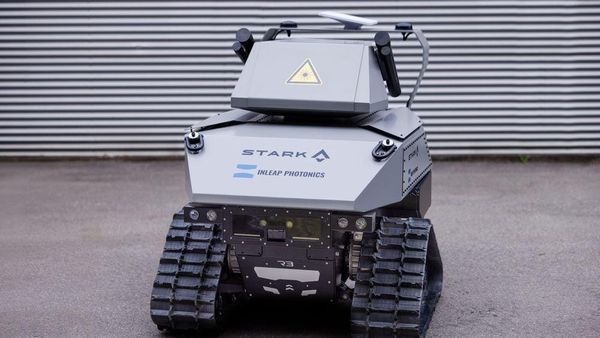
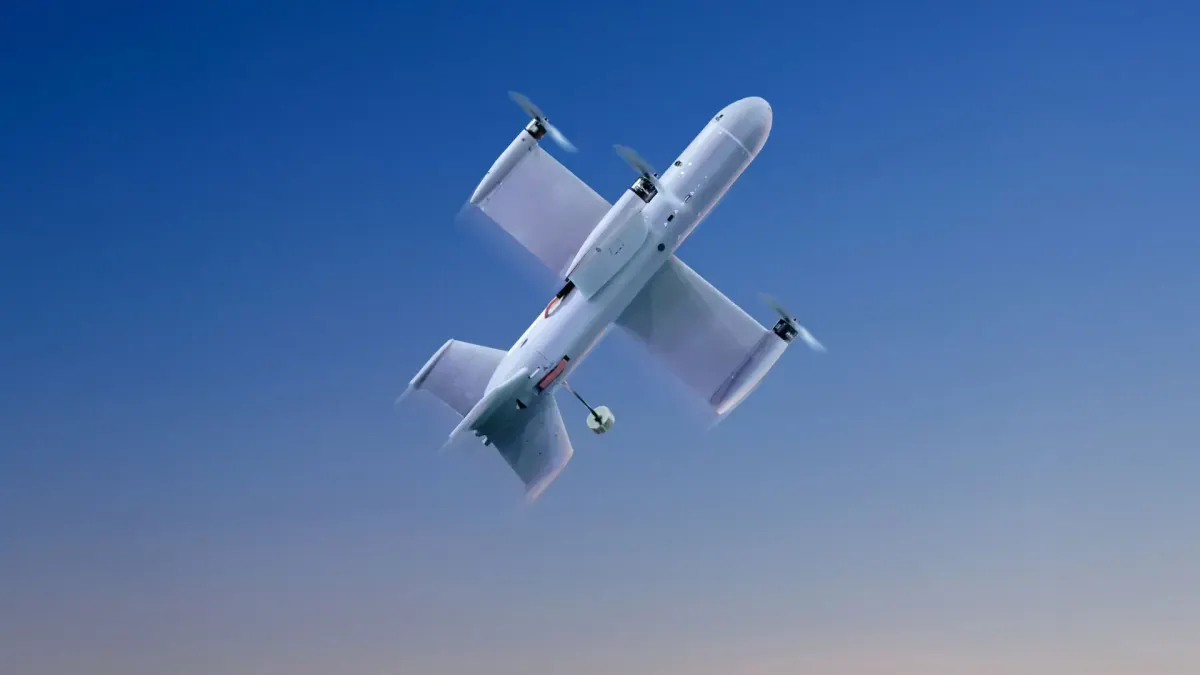
The shift could turn Ukraine from primarily a recipient of foreign military equipment into an increasingly important supplier within the European defense market. Ukrainian manufacturers have developed substantial production capacity in drones, electronic warfare, counter-drone technology and other systems during more than four years of full-scale war.
Ukraine creates a controlled wartime arms export system
The Cabinet of Ministers of Ukraine approved the new export mechanism on July 1, establishing rules for international transfers of military and dual-use goods during martial law. Resolution No. 875 entered into force on July 8.
The mechanism provides a simplified route for transfers to approved partner countries while maintaining state oversight of technologies and equipment considered important to Ukrainian national security.
Under the system, Ukraine's Ministry of Foreign Affairs determines which partner countries qualify. The Ministry of Defense of Ukraine and other government bodies identify critical products that cannot be transferred abroad.
Export applications under the Drone Deal framework must be processed within 30 days. The simplified mechanism covers qualifying transfers worth at least UAH 15 million, approximately $335,000, involving equipment adopted into service or codified by the Ukrainian Ministry of Defense, as well as associated military technologies.
The government has also tied exports directly to domestic defense financing. Under the framework announced in July, 20% of revenue from exports of finished defense products and 30% from exported components will flow into a state defense fund.
Ukraine has more production capacity than Kyiv can finance
The decision addresses a structural problem inside Ukraine's rapidly expanded defense industry.
Ukrainian factories can manufacture more equipment than the state can afford to purchase across some categories. President Volodymyr Zelenskyy said in April that some sectors had surplus production capacity of up to 50%, while stressing that the Ukrainian military would retain priority over available production.
Opening selected foreign markets gives manufacturers another source of revenue and potentially allows production lines to operate at higher utilization rates.
The approach differs from simply selling weapons that Ukraine no longer needs. Kyiv is attempting to export production capacity that exceeds funded domestic requirements while restricting technologies and systems considered critical to the war effort.
Ukraine's domestic procurement market remains substantial. The Defense Procurement Agency signed drone contracts worth UAH 333.6 billion during the first half of 2026, twice the amount contracted during the same period in 2025. FPV drones represented the largest share.
Drone Deal connects Ukrainian manufacturers with foreign buyers
The export framework also supports Ukraine's broader Drone Deal initiative.
As of June 18, at least 27 countries, including 15 NATO members and 12 non-NATO states, were participating in the initiative, according to information reported by Janes. The framework enables participating countries with agreements covering joint production, supply or technology exchange to gain streamlined access to eligible Ukrainian systems.
Norway became one of the latest countries to deepen cooperation when Zelenskyy and Norwegian Prime Minister Jonas Gahr Støre signed an agreement on defense and security cooperation under the Drone Deal format on August 23.
The European Union is simultaneously directing substantial financing toward Ukrainian production. The European Commission says the €90 billion Ukraine Support Loan for 2026 and 2027 includes €60 billion for defense, with €28.3 billion allocated in 2026 to strengthen Ukraine's defense industrial capacity.
That combination of Ukrainian technology, European financing and foreign market access could accelerate Ukraine's integration into the broader European Defence Technological and Industrial Base.
Ukrainian weapons could become a new factor in European procurement
Ukraine enters the export market with an unusual industrial advantage: many of its systems have undergone rapid development cycles driven by operational use against Russian forces.
That does not automatically make Ukrainian manufacturers direct substitutes for established European and U.S. suppliers. Foreign customers will also evaluate production scale, interoperability, certification, supply chains, maintenance and long-term support.
The export mechanism nevertheless creates a new competitive dynamic. European militaries looking for drones, counter-UAS equipment and other systems can increasingly encounter Ukrainian manufacturers not only as wartime partners, but as potential suppliers.
For Kyiv, exports can also generate revenue that supports additional domestic production. The policy therefore links foreign sales to Ukraine's ability to sustain its own defense industrial base rather than treating exports as separate from wartime requirements.