XTEND Wins $15 Million Drone Contract With NATO Customer
Israeli drone maker XTEND secured a multi-year contract worth up to $15 million from an undisclosed European NATO member, including $4.5 million in the first year.

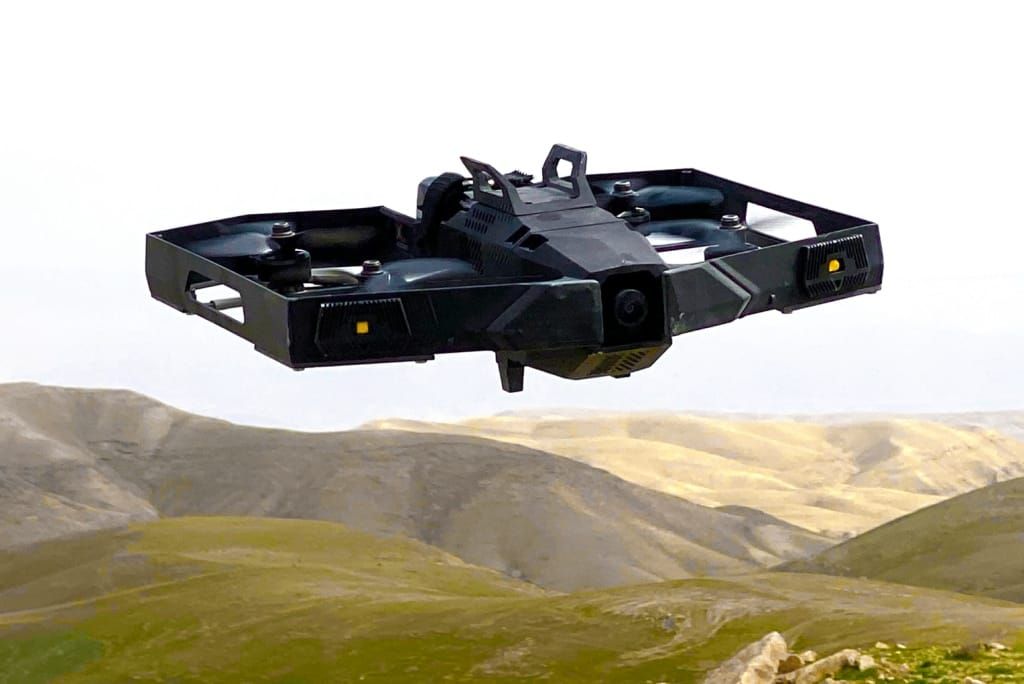
Israeli autonomous systems company XTEND has secured a multi-year defense contract worth up to approximately $15 million from the Ministry of Defense of an undisclosed European NATO member. The agreement includes approximately $4.5 million secured for the first year and expands XTEND's presence in allied military drone and robotics programs.
The contract was disclosed on August 19 through JFB Construction Holdings, the Nasdaq-listed company currently pursuing a merger with XTEND. The customer country has not been identified.
The award comes as NATO governments reassess the security and origin of unmanned systems and their components, particularly as Western defense organizations seek alternatives to Chinese-manufactured commercial drone platforms.
XTEND expands autonomous systems business in NATO market
XTEND develops unmanned systems and software-defined robotics around its XTEND Operating System, known as XOS. The software is designed to support human-controlled autonomous operations across drones and other robotic platforms rather than functioning solely as a flight-control system for one aircraft type.
The company also operates an XFAB manufacturing network and markets systems designed to comply with U.S. National Defense Authorization Act requirements. XTEND systems have previously entered service or evaluation with U.S. and allied military organizations.
The new European award adds another NATO customer to that footprint. Although the contract value remains modest compared with major aircraft, missile or armored vehicle programs, it reflects the growing procurement market for smaller autonomous systems that can be acquired and updated on shorter timelines.
Defense News reported in February 2026 that XTEND Reality was among 25 companies selected for the Pentagon's competition for small, lower-cost attack drones. The U.S. Department of Defense expects to spend $1.1 billion across four phases of that effort, with procurement volumes planned to increase as the field of suppliers narrows.
XTEND also has an established record with U.S. forces. The Pentagon previously ordered the company's small unmanned systems for indoor and urban operations, followed by a 2022 program covering hundreds of Wolverine Gen2 unmanned systems.
NATO drone procurement shifts toward trusted supply chains
The contract arrives as drone supply chains become a larger defense procurement issue across NATO.
Commercial unmanned aircraft have demonstrated their military utility on a large scale during the war in Ukraine, while the reliance of Western markets on Chinese-produced platforms, electronics and components has created security and industrial-policy concerns.
For NATO customers, this is increasingly making software security, component provenance and manufacturing capacity part of the procurement equation alongside range, payload, endurance and price.
XTEND's European contract fits into that broader transition. The undisclosed customer is committing an initial approximately $4.5 million while retaining a multi-year framework worth up to approximately $15 million, potentially allowing procurement to expand after initial deliveries.
The award does not by itself indicate the number or types of systems being acquired. Neither the customer identity nor a detailed delivery schedule was disclosed in the available announcement.
XTEND prepares for public-market transition
The European contract also comes during a significant corporate transition for XTEND.
The company is in the process of merging with JFB Construction Holdings as part of a transaction intended to bring XTEND to the U.S. public markets. CTech reported that the transaction is expected to close following the September 8, 2026 market close, subject to the transaction process, after which XTEND is expected to begin trading on the New York Stock Exchange.
Regulatory filings show XTEND had approximately $29 million in contracted backlog as of March 31, 2026, up from approximately $12.4 million at the end of 2025. The filings also identified a weighted pipeline of approximately $402.3 million in potential opportunities at different stages when the company's projections were prepared.
Those pipeline figures represent potential opportunities rather than awarded revenue, but the latest NATO contract provides another confirmed program as XTEND seeks to move from prototype and pilot activity toward recurring production.
XTEND NATO contract: key questions
How much is XTEND's new NATO contract worth?
The multi-year agreement is worth up to approximately $15 million. Approximately $4.5 million has been secured for the first year.
Which NATO country awarded the contract to XTEND?
The customer is the Ministry of Defense of a European NATO member. Neither XTEND nor JFB Construction Holdings disclosed the country's identity in the announcement.
What does XTEND produce?
XTEND develops autonomous drones, robotic systems and the XTEND Operating System, or XOS, which provides a software layer for operating unmanned platforms. Its systems have previously been supplied to U.S., Israeli and allied defense users.
Why is the contract relevant to European defense procurement?
The award illustrates the expanding market for military unmanned systems sourced from suppliers outside China's commercial drone ecosystem. NATO procurement increasingly incorporates supply-chain security and software provenance alongside traditional performance and cost requirements.