Estonia Cancels €500 Million Combat Vehicle Procurement, Redirects Focus to Drone Defense
Estonia has halted a planned €500 million armored vehicle acquisition, shifting resources toward drone and counter-drone capabilities. The move reflects evolving battlefield lessons and changing defense priorities.

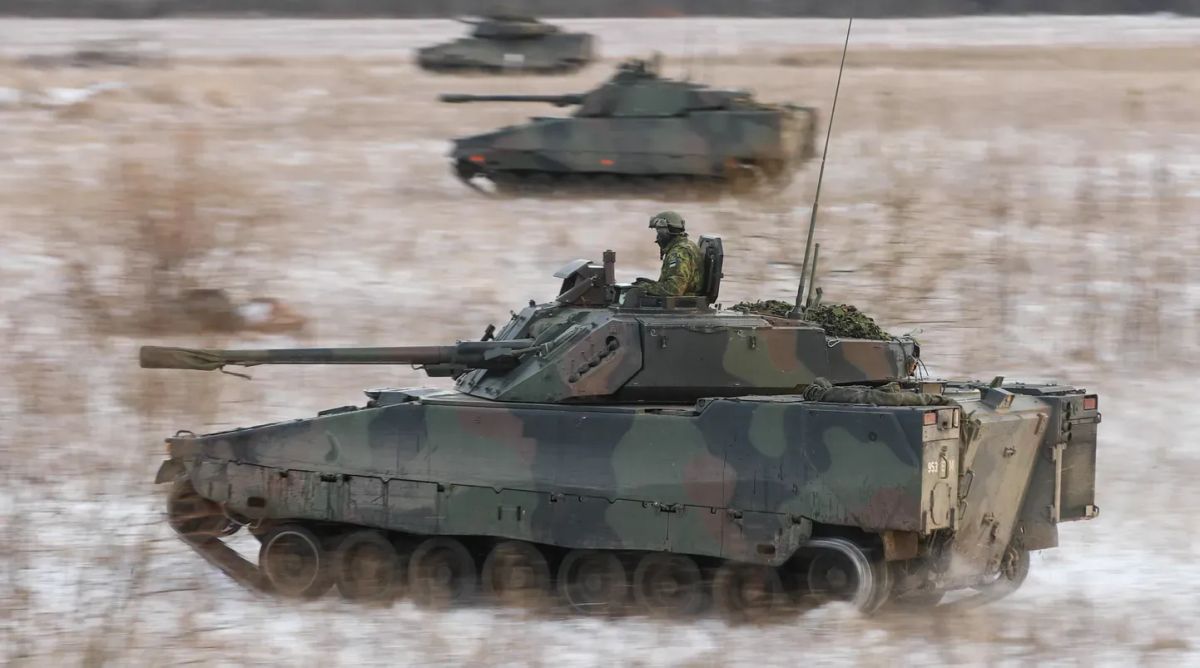
Estonia has decided to cancel a previously planned procurement of infantry fighting vehicles valued at approximately €500 million, opting instead to reallocate funding toward drone warfare and counter-drone systems. The decision signals a recalibration of defense priorities in response to evolving operational requirements and lessons observed in recent conflicts.
According to Estonian defense officials, the shift is intended to strengthen capabilities that are considered more immediately relevant to modern battlefield conditions. Unmanned aerial systems and related countermeasures have gained increased importance, particularly in light of their extensive use in Ukraine. The ministry indicated that investments will now focus on expanding surveillance, strike, and electronic warfare capabilities tied to drone operations.
The canceled program had been part of a broader effort to modernize Estonia’s land forces, including the replacement or expansion of armored maneuver capabilities. However, officials concluded that the cost-to-effect ratio of heavy platforms must be reassessed given the growing role of lower-cost, scalable technologies such as drones.
The reallocation is also expected to support domestic and regional defense industry participation, particularly in areas such as autonomous systems, software integration, and electronic warfare solutions. Estonia has positioned itself as an emerging hub for defense innovation, with an emphasis on digital and unmanned technologies.
Despite the cancellation, Estonia is not expected to abandon armored capabilities entirely. The ministry suggested that existing platforms will remain in service, while future procurement decisions may be revisited under revised operational concepts.
The move aligns with a broader trend among NATO members reassessing procurement strategies to balance traditional heavy equipment with emerging technologies. Estonia’s decision highlights the increasing prioritization of agility, cost-efficiency, and adaptability within European defense planning.