EU Parliament Calls for Possible Black Sea Naval Operation and Counter-Drone Support
European Parliament backs stronger Black Sea security, calling for counter-drone support for Romania and Bulgaria and consideration of a naval operation.

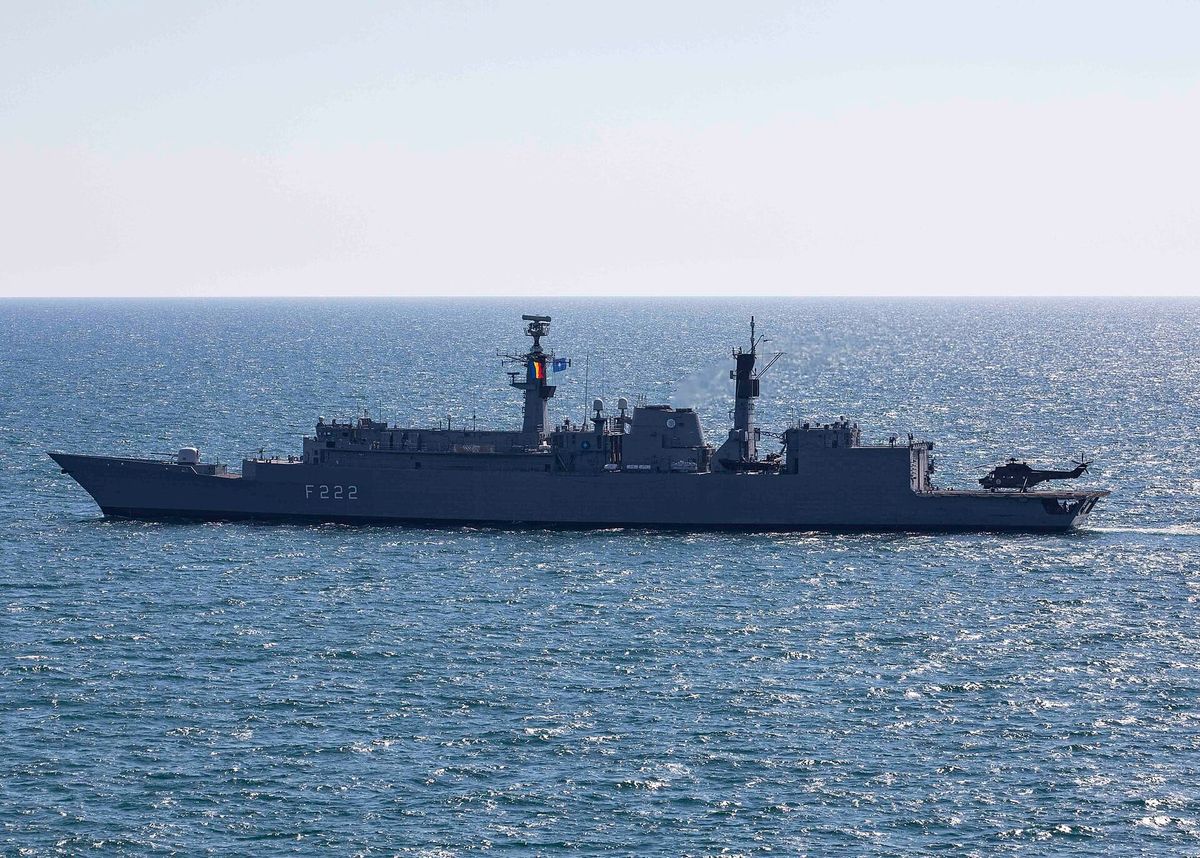
The European Parliament has called on the European Union to consider a naval operation in the Black Sea and strengthen counter-drone capabilities in Romania and Bulgaria following attacks on commercial shipping near the two countries' coastlines.
The resolution, adopted on October 22 with 432 votes in favor, 52 against and 88 abstentions, urges EU member states to support the early detection and tracking of hostile drones threatening maritime traffic. Lawmakers also called for stronger regional coordination with NATO and accelerated implementation of the EU's planned Black Sea maritime security hub.
The resolution follows a series of attacks on civilian vessels in the western Black Sea and repeated violations of Romanian airspace.
Parliament attributed the escalation to Russia and emphasized the importance of protecting shipping routes, port infrastructure and freedom of navigation along NATO's eastern flank. It also encouraged closer cooperation between Romania, Bulgaria and Türkiye on maritime security.
On financing, lawmakers called for unused resources under the EU's Security Action for Europe (SAFE) instrument to support Romania and Bulgaria in addressing emerging security threats.
The proposed measures could increase the focus on maritime surveillance, counter-unmanned aircraft systems, radar coverage and protection of critical infrastructure, although no specific procurement contracts or equipment packages were approved.
The European Parliament also urged NATO to consider a dedicated Black Sea security initiative and called for greater protection of underwater communications cables and energy infrastructure.
The resolution establishes a political position rather than an operational commitment. Any future EU naval mission would require a separate decision by the Council of the European Union, while additional defense funding would remain subject to applicable approval procedures.