Israeli Silynxcom Develops AI Wearable to Detect Fiber-Optic Drones
An Israeli defense technology company is developing an AI-powered wearable detector designed to identify fiber-optic drones and share early warnings across military units.

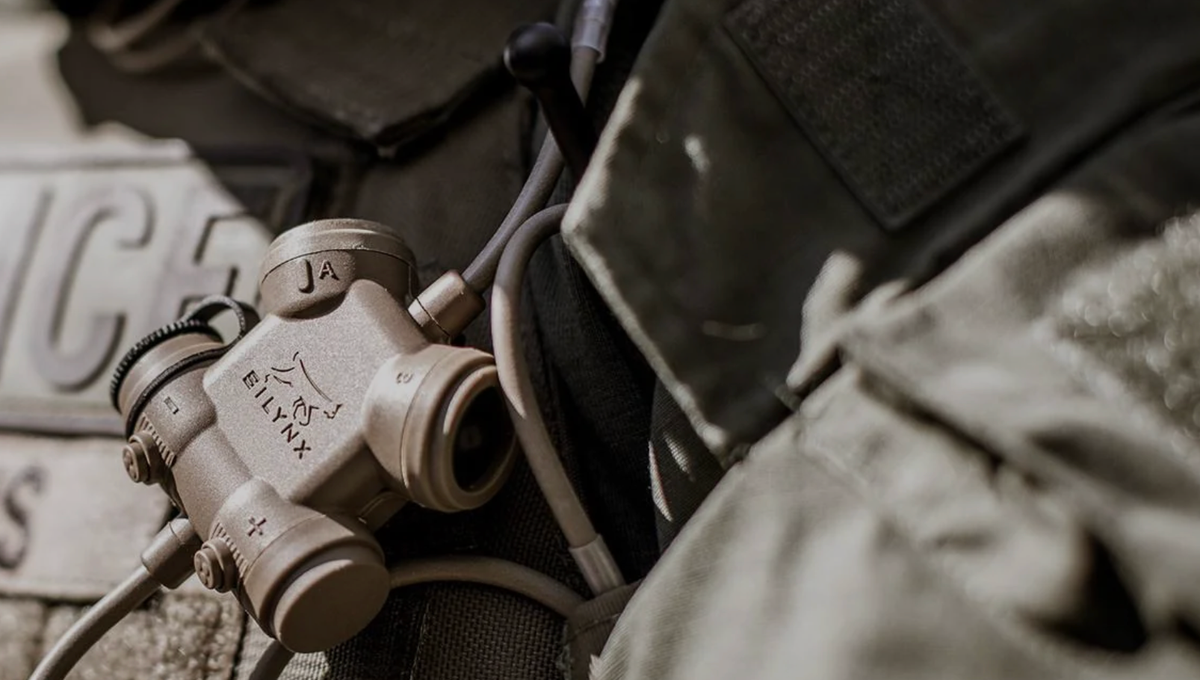
Israel-based defense technology company Silynxcom has announced the development of a wearable AI-powered drone detection system designed to warn individual soldiers of approaching threats, including fiber-optic-guided drones that conventional radio-frequency detectors may fail to identify.
The Netanya-based company said on October 21 that the device is currently at the prototype stage and uses acoustic signatures rather than radio transmissions to detect unmanned aircraft.
On-device artificial intelligence is intended to analyze drone sounds in real time and provide early warnings to soldiers operating in the field. This approach could be particularly relevant against fiber-optic-guided drones, which do not rely on radio links for command and control.
Silynxcom is also developing an autonomous mesh networking capability that would allow multiple wearable detectors to share warnings across a military unit. Under the proposed architecture, a drone detected by one soldier could trigger alerts for other connected personnel without relying on existing tactical communications infrastructure.
The new system is being developed as a standalone product, with optional integration into military communication equipment.
The initiative represents an expansion beyond Silynxcom's established business in tactical communication headsets and hearing protection. The company is establishing a dedicated counter-drone development team that includes specialists with experience at Israeli drone manufacturers.
Silynxcom already has a presence in the European defense market. In September 2026, the company secured two orders worth approximately $400,000 for its CLARUS in-ear communication systems through an international defense contractor.
The equipment is intended for an undisclosed European army. Those orders concern existing communication products and are separate from the newly announced AI drone detection platform.
The company has not disclosed the prototype's detection range, operational testing results, expected production schedule, or any customer commitments for the new system.
Author: Daniel Opoku