Europe Eyes Larger Role in Defense Supply Chains as Military Spending Rises
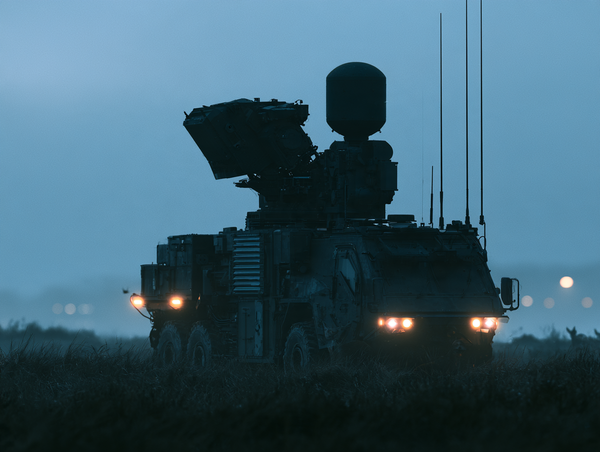
Rising European defense spending is creating new opportunities for automotive manufacturers and logistics providers to support military supply chains.


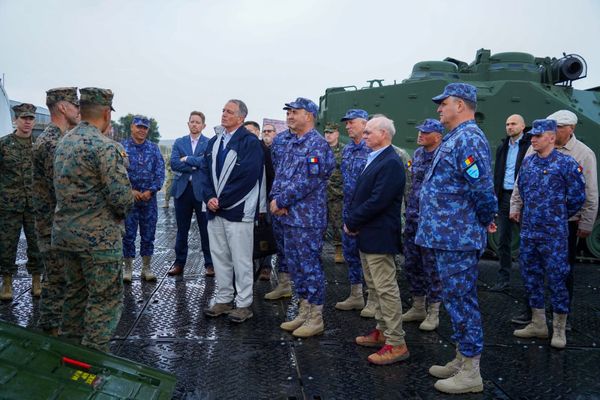
Europe's expanding defense budgets are opening new opportunities for automotive manufacturers, suppliers, and logistics companies as governments seek to strengthen industrial capacity and military readiness across the continent.
According to industry representatives, many of the capabilities developed within the automotive sector, including large scale manufacturing, advanced engineering, digital technologies, battery development, and resilient supply chain management, can be adapted to support defense production and sustainment. The trend comes as NATO members move toward higher defense spending targets and the European Union advances initiatives aimed at expanding the continent's defense industrial capacity.
The European Automobile Manufacturers' Association (ACEA) has stated that Europe's automotive industry possesses manufacturing capabilities that are directly relevant to future defense requirements. According to the association, maintaining competitive industrial conditions, securing access to critical raw materials, investing in skilled labor, and strengthening battery supply chains are priorities shared by both the automotive and defense sectors.
Automotive logistics companies could also play a larger role in military mobility. Decades of experience managing complex international transport networks, multimodal logistics, customs operations, spare parts distribution, and fleet support provide capabilities that are increasingly relevant as European armed forces seek more resilient supply chains and higher equipment availability.
Industry representatives also note that cooperation between automotive companies and defense procurement authorities will require adjustments. Defense programs typically involve lower production volumes, longer procurement cycles, and more demanding certification requirements than commercial automotive manufacturing, creating barriers for companies seeking to diversify into the sector. Simplifying procurement processes could encourage greater participation by nontraditional suppliers and small and medium sized enterprises.
Recent developments already illustrate the growing convergence between the two industries. Daimler Truck launched its dedicated Daimler Truck Defence business in 2026 and is investing in expanding production, engineering, and support capabilities while targeting €1 billion in defense related revenue by 2028. The company has also secured military vehicle contracts in several NATO countries.
Scania is also expanding its defense activities. The Swedish manufacturer recently introduced a modular protected cab integrated into its standard production system and continues to fulfill a major order for the Swedish Armed Forces that includes hundreds of heavy military vehicles scheduled for delivery through 2027.
As European governments continue investing in defense modernization, the automotive sector is increasingly positioned not only as a supplier of military vehicles but also as a contributor to resilient manufacturing, logistics, maintenance, and industrial support capabilities across the wider European defense ecosystem.