
Germany Plans to Buy Ukrainian Bars Cruise Missiles as Joint Production Expands
Germany plans to test Ukrainian Bars cruise missiles as joint production begins delivering weapons, potentially opening the door to major Bundeswehr orders.

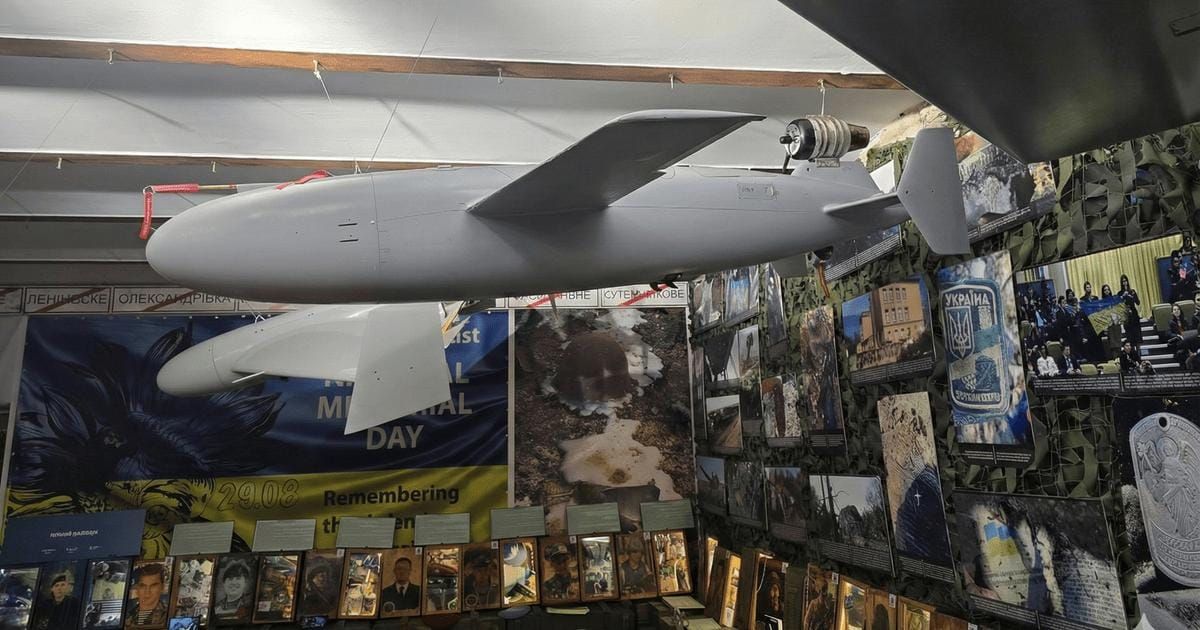
Germany is preparing to purchase Ukrainian-developed Bars cruise missiles for testing by the Bundeswehr, potentially marking the first acquisition of a Ukrainian-designed offensive weapon for Germany's own armed forces.
According to a Financial Times report published on October 26, citing people familiar with the procurement plans, Berlin expects to finalize an initial agreement in the coming weeks. The first batch would undergo technical evaluation in early 2027, with successful trials potentially opening the way for an order of several hundred missiles.
The planned acquisition comes as a Ukrainian-German joint venture has already established Bars production in Germany, with its first German-funded batch delivered to Ukraine in October.
No Bundeswehr procurement contract, purchase value or confirmed quantity has yet been publicly announced.
Ukrainian Bars Missile Offers Up to 1,000 km Range
Bars is a Ukrainian-developed, jet-powered strike system that combines characteristics of an unmanned aircraft and a cruise missile.
According to the Financial Times, the weapon has a range of up to 1,000 kilometers and can carry a payload of up to 105 kilograms, depending on the configuration.
Ukraine frequently describes Bars as a missile-drone, while German procurement discussions classify it as a relatively inexpensive cruise missile.
The system has already been deployed by Ukrainian forces against targets inside Russia. Ukrainian President Volodymyr Zelenskyy has previously identified Bars among domestically developed weapons used in long-range operations.
The missile is particularly relevant to Germany's interest in expanding its inventory of affordable precision-strike weapons that can be manufactured and deployed in significant quantities.
Unlike more expensive strategic cruise missiles, lower-cost systems offer the possibility of increasing available missile stocks while reducing the financial burden associated with each launch.
Joint German-Ukrainian Production Already Underway
One of the most significant industrial aspects of the proposed procurement is that Bars production has already expanded beyond Ukraine.
A joint Ukrainian-German enterprise is manufacturing the missiles in Germany under the broader Build with Ukraine cooperation framework.
According to the Financial Times, the first German-financed batch of locally produced Bars missiles was delivered to Ukraine in October 2026.
The identity of the industrial partners, the production facility's location, manufacturing capacity and financial arrangements have not been publicly disclosed.
The venture could now serve two customers: the Ukrainian Armed Forces and, subject to successful evaluation and procurement approval, Germany's Bundeswehr.
This would represent a development in bilateral defense cooperation, with Germany potentially becoming a customer for Ukrainian-designed strike technology rather than solely financing equipment for Ukraine.
As AdriaDefense previously reported, Berlin and Kyiv have been expanding joint defense manufacturing, combining Ukrainian operational experience with German industrial infrastructure, financing and supply chains.
Bundeswehr Also Evaluating American Anthem Missiles
Germany's interest in Bars is part of a wider effort to develop an affordable long-range strike capability.
Berlin is also preparing to acquire a small number of Anthem cruise missiles developed by U.S. defense technology company Covenant for evaluation, according to the Financial Times.
The American company's European manufacturing plans have already advanced. Covenant inaugurated a production facility in Leipzig in October, with series production of Anthem missiles targeted to begin in 2027.
AdriaDefense reported earlier this month that the German Army was pursuing low-cost cruise missiles capable of reaching distances of approximately 1,500 kilometers.
Lieutenant General Christian Freuding, Inspector of the German Army, said in October that the Bundeswehr was concentrating on two commercially available systems for its future long-range strike capability.
At that time, the Army had not identified the two systems under consideration. The latest reporting provides additional information on potential suppliers, although it does not establish that Bars and Anthem are the same two systems previously referenced by Freuding.
Germany is also pursuing longer-range strike capabilities through potential acquisitions of U.S.-made Tomahawk cruise missiles and the associated Typhon ground-launch system.
However, delays and procurement costs associated with these systems have increased interest in less expensive alternatives that can be produced in Europe.
Ukrainian Defense Manufacturers Gain Access to NATO Procurement Market
If Germany proceeds with a larger Bars order following technical evaluation, the program could become an important example of Ukrainian military technology entering the procurement system of a major NATO member.
The project would also demonstrate the commercial potential of manufacturing Ukrainian-designed weapons in European industrial facilities.
Germany's existing production arrangement provides a foundation for future deliveries, although the joint venture's ability to meet potential Bundeswehr requirements has not been publicly established.
A larger procurement could create additional opportunities for industrial suppliers involved in propulsion, electronics, manufacturing equipment and systems integration. However, specific subcontractors and production expansion plans have not been identified.
The broader trend is already visible in other German-Ukrainian defense partnerships. In October, AdriaDefense reported that Quantum Frontline Industries secured an expanded Ukrainian drone order for 2027, alongside plans to increase manufacturing capacity.
For Ukraine's defense industry, the proposed Bars procurement would carry significance beyond the initial order. It could establish a pathway for Ukrainian-developed weapons to be evaluated, manufactured and eventually procured for the national inventories of other European armed forces.
The immediate next step remains a formal German purchase agreement and technical testing planned for early 2027.


