Germany's €11.5B Army Digitalization Project Faces Delays
Germany reports progress in its €11.5 billion D-LBO military digitalization program, but vehicle upgrades remain behind schedule as battlefield testing continues.

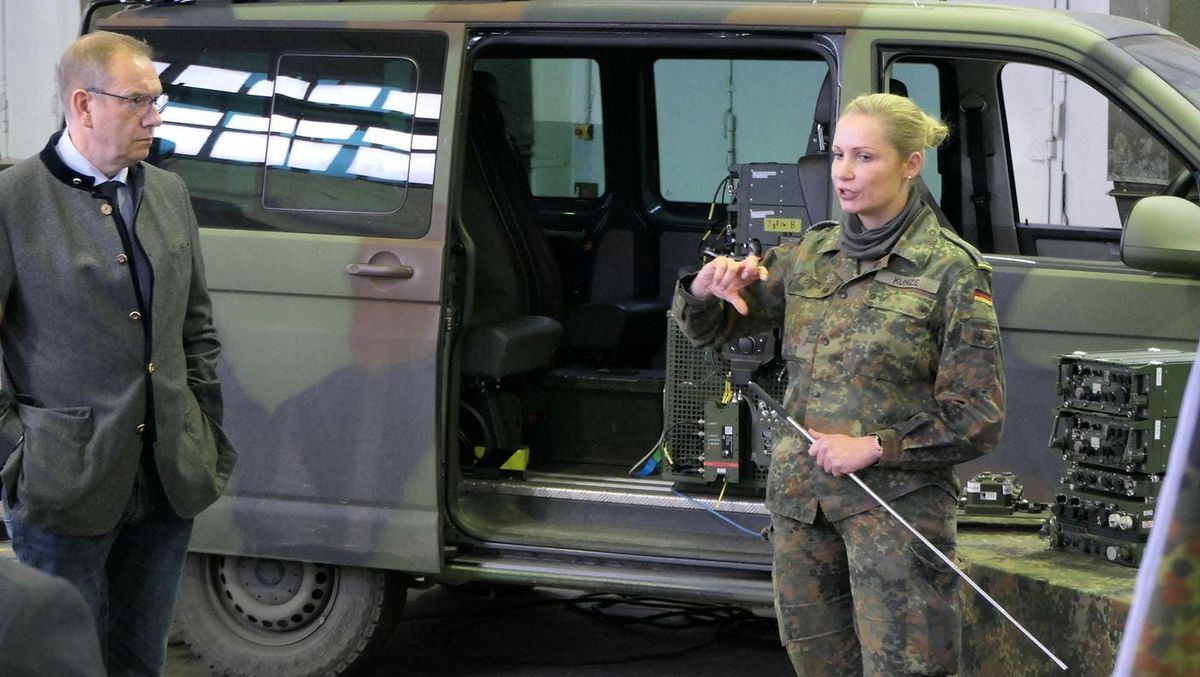
Germany's Federal Ministry of Defense reported progress in its €11.5 billion Digitalization of Land-Based Operations (D-LBO) program on October 12, 2026, following a review with military leaders and defense industry representatives in Berlin. The Bundeswehr's new digital communications system is undergoing operational testing, but the installation of equipment across military vehicles remains behind the originally agreed schedule.
Defense Minister Boris Pistorius presented the interim assessment alongside Bundeswehr Chief of Defense General Carsten Breuer, Army Inspector General Lieutenant General Christian Freuding and State Secretary Jens Plötner. The review followed earlier technical problems involving radio communications, software integration and the modernization of existing armored vehicles.
D-LBO is intended to connect German soldiers, combat vehicles and command posts through secure digital voice and data communications. The program is a central component of Germany's effort to prepare its land forces for NATO operations involving multiple military domains.
Leopard 2, Puma and Marder Vehicles Undergoing Testing
The Bundeswehr has been conducting operational trials at the Munster military training area for approximately five weeks. The current testing phase includes the Leopard 2 main battle tank and the Puma and Marder infantry fighting vehicles, with live-fire scenarios scheduled during the final stage.
According to German defense publication Hartpunkt, Lieutenant General Freuding expects the system to meet the Army's acceptance requirements. However, integration with older Marder vehicles remains challenging, particularly when they operate alongside platforms equipped with different generations of communications technology.
The Bundeswehr is testing the interaction between its battle management software, digital communications architecture and radio equipment. The objective is to verify that vehicles and command elements can exchange information reliably during movement and combat operations.
Earlier testing identified communication interruptions and problems under heavy system loads. The latest assessments indicate improvements, although the operational evaluation has not yet been completed.
Industry Integration Remains Behind Schedule
Pistorius acknowledged that vehicle modernization is progressing more slowly than originally agreed with industry. While engineering work to integrate the system into individual vehicle types is largely complete or on schedule, serial installation across the wider fleet continues to lag.
The overall program requires modifications to more than 10,000 military platforms. These include combat vehicles, support vehicles and other equipment used by German land forces.
The integration process has encountered several technical obstacles. Different vehicle configurations require individual modifications involving antennas, cabling, communications interfaces and other onboard systems.
According to reporting from the October 12 briefing, technical difficulties included communication equipment compatibility and antenna installations on older Marder vehicles. Some upgrades were also affected by delays in the availability of required components.
The Bundeswehr has adjusted its modernization sequence to reduce the impact on operational readiness. Older and newly digitized vehicles will operate together during a transition period using compatible digital radio equipment.
Bundeswehr Maintains 2027 Modernization Target
Germany continues to target the digital modernization of its 10th Panzer Division by the end of 2027. The formation plays an important role in NATO defense planning and includes units assigned to reinforce the alliance's eastern flank.
Panzergrenadier Brigade 37 is scheduled to begin operating with the new digital equipment in January 2027, followed by Panzer Brigade 45 in Lithuania in July 2027.
Despite the installation delays, Pistorius indicated that industry representatives continue to support the existing timetable. The Bundeswehr expects ongoing testing and technical improvements to accompany the system's introduction into operational units.
The outcome of the current trials will determine whether the communications system meets the Army's acceptance criteria. Completing the wider vehicle modernization program remains a separate challenge, with production capacity, technical integration and military readiness all affecting the pace of implementation.