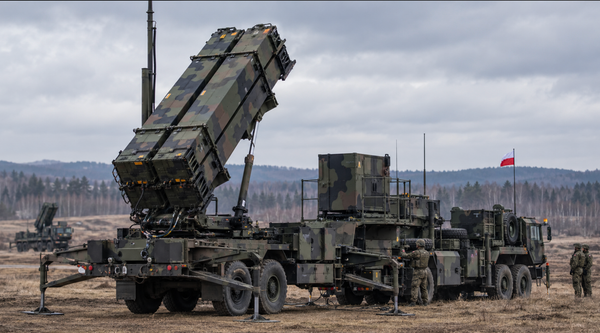
Hungary Calls for Expansion of Europe's Defense Industry
Hungary's defense minister urges Europe to expand domestic arms production, reduce reliance on foreign suppliers and strengthen defense industry cooperation.

Hungary has called for the expansion and modernization of Europe's defense industry, arguing that reliance on foreign military equipment is insufficient to meet the continent's long-term security requirements.
Speaking at the Warsaw Security Forum on October 12, 2026, Hungarian Defense Minister Romulusz Ruszin-Szendi said European countries need stronger domestic manufacturing and technological capabilities to support their armed forces and reduce dependence on external suppliers.
According to Hungary's Ministry of Defense, Ruszin-Szendi emphasized that purchasing military equipment from abroad remains costly and can involve extended delivery times. He argued that European countries must develop industrial capacity capable of meeting both national and regional defense requirements.
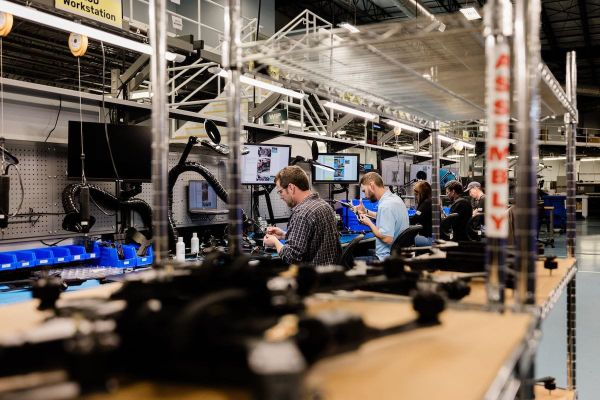
The minister also highlighted the economic implications of expanding defense manufacturing, including employment opportunities and investment in domestic technological capabilities.
During a panel discussion on Europe's ability to defend itself, Ruszin-Szendi identified dual-use technologies as another priority. He called for technologies that could serve both military requirements and civilian applications, linking defense investment to wider industrial development.
Talks With NATO and European Defense Officials
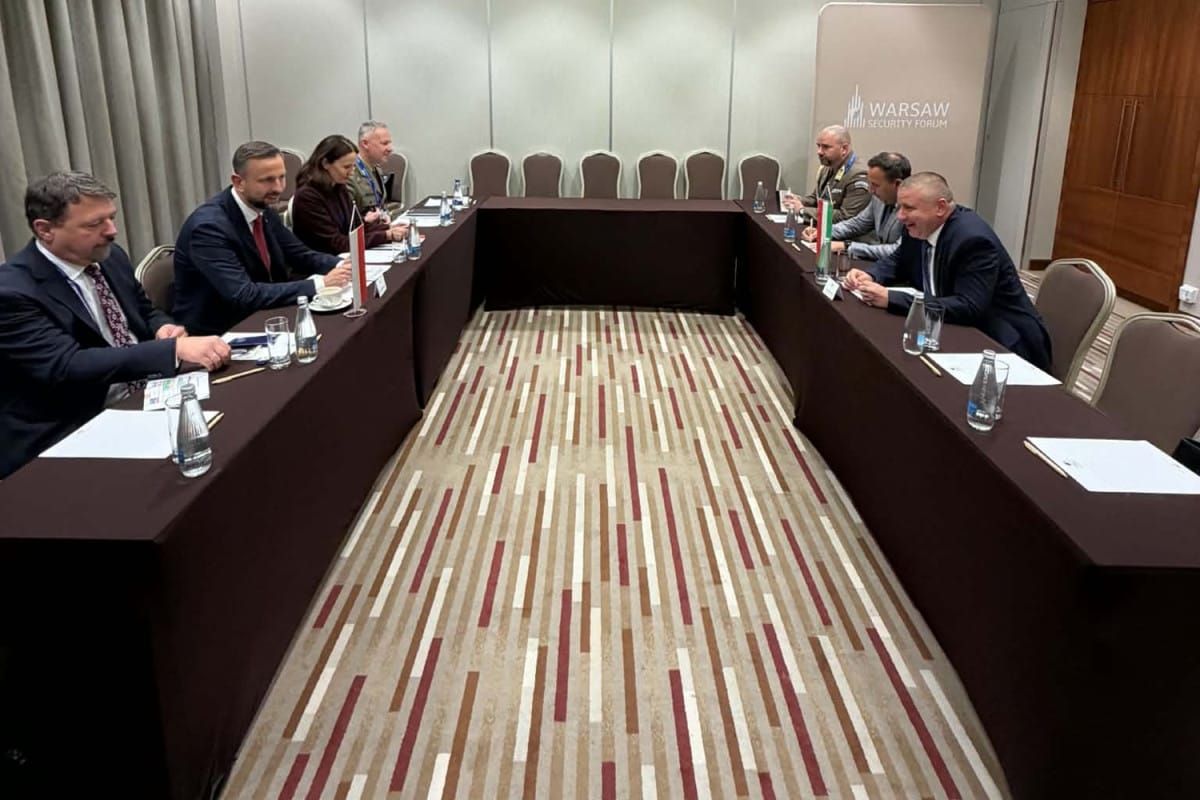
On the sidelines of the forum, Ruszin-Szendi held bilateral discussions with NATO Deputy Secretary General Radmila Shekerinska, European Commissioner for Defense and Space Andrius Kubilius, Dutch Defense Minister Dilan Yeşilgöz-Zegerius and Polish Defense Minister Władysław Kosiniak-Kamysz.
His meeting with Kubilius focused on European defense capabilities, Hungary's defense industry and military mobility. The Hungarian minister expressed support for accelerating European defense development while maintaining coordination with NATO.
NATO separately confirmed that Shekerinska and Ruszin-Szendi discussed defense spending commitments, military capability targets and the need to strengthen defense industrial capacity.
Discussions with the Polish delegation addressed bilateral military cooperation, lessons from the war in Ukraine and the future of cooperation among the Visegrad countries.
Western Balkans Remain a Hungarian Security Priority
Ruszin-Szendi also identified stability in the Western Balkans as a significant Hungarian security interest. He pointed to Hungary's participation in NATO's Kosovo Force (KFOR) and the European Union's EUFOR Operation Althea mission in Bosnia and Herzegovina.
Regarding Ukraine, the minister emphasized the need for a diplomatic settlement and referred to his previous visits to the Ukrainian front line while serving as Hungary's Chief of Defense.
The Warsaw discussions did not result in any publicly announced defense manufacturing contract, new procurement commitment or specific industrial investment.
The Hungarian government has not disclosed a new funding allocation or implementation timetable linked to the minister's proposals.