Greece and Israel Discuss €1 Billion in New Defense Deals Including LORA Missiles
Greece and Israel are negotiating up to €1 billion in additional defense agreements involving IAI's LORA missiles, electronic warfare systems and Elbit's Kalamata training center.

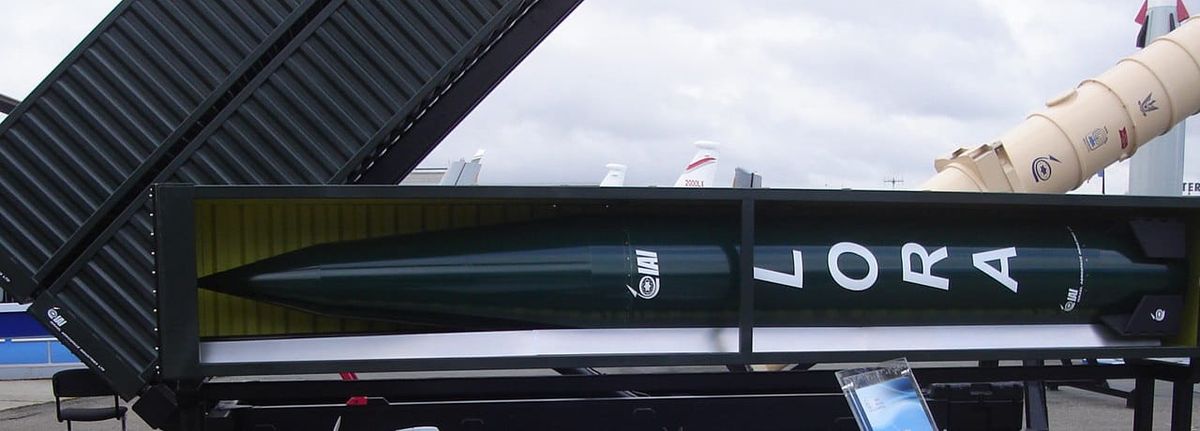
Greece and Israel are discussing additional defense agreements potentially worth €1 billion, covering Israeli-made long-range missiles, electronic warfare systems and the expansion of a military aviation training center.
The negotiations, initially reported by Greek newspaper Kathimerini on November 21 and subsequently detailed by Israeli business publication Globes on November 22, would further expand defense industry cooperation between Athens and Jerusalem.
The potential agreements involve Israel Aerospace Industries (IAI) and Elbit Systems, following Greece’s earlier procurement of Israeli air defense and rocket artillery systems.
Greece Seeks IAI's LORA Missiles
One of the most significant elements under discussion is the potential acquisition of the LORA long-range precision-strike missile system manufactured by Israel Aerospace Industries.
Greek officials are reportedly examining the system as part of efforts to strengthen the country’s long-range strike and deterrence capabilities. Discussions have also included possible industrial cooperation and the participation of Greek manufacturers in production activities.
LORA is a ground-launched precision ballistic missile designed to engage high-value targets at extended ranges. Its procurement would provide Greece with an additional strike capability beyond the country's existing rocket artillery inventory.
The discussions remain ongoing, and no finalized agreement, delivery schedule or confirmed procurement quantity has been publicly announced.
In September 2026, Germany successfully conducted operational firing trials involving the naval version of LORA, as previously reported by AdriaDefense.
Electronic Warfare and Elbit's Kalamata Training Center
The second area involves electronic warfare systems, with negotiations reportedly at an advanced stage.
Athens is seeking technology transfer and industrial participation arrangements similar to those pursued in its previous Israeli defense acquisitions.
A separate negotiating track concerns the expansion of the International Flight Training Center in Kalamata, operated by Elbit Systems under a 20-year agreement signed in 2021.
The facility currently supports approximately 7,000 annual training hours using T-6 turboprop aircraft and another 3,500 hours using M-346 jet trainers.
Growing demand for pilot training is creating a need for additional aircraft, instructors and simulators. However, negotiations reportedly face a substantial financial gap.
According to Globes, the Israeli side initially proposed an expansion valued at approximately €280 million, while Greek authorities were reportedly prepared to allocate between €50 million and €70 million.
Israeli Defense Companies Expand Their Position in Greece
The proposed agreements follow two major Israeli defense procurement programs in Greece during 2026.
In April, Greece concluded a €650 million agreement for Elbit Systems' PULS rocket artillery system.
That was followed in August by a reported €3.1 billion agreement for the multilayered Achilles Shield air and missile defense program, involving systems developed by Rafael Advanced Defense Systems and IAI.
AdriaDefense previously covered the Achilles Shield program, which includes David's Sling, SPYDER and BARAK MX air defense capabilities.
The additional negotiations demonstrate how Israel’s defense manufacturers are seeking to expand their role in Greek military modernization beyond air defense into precision strike, electronic warfare and military aviation training.
The final value and industrial scope of the proposed agreements will depend on negotiations between the two governments and the manufacturers involved.