Lithuania Considers State Drone Holding as Manufacturers Demand Orders
Lithuania is considering a state-backed drone holding, but manufacturers RSI Europe and UDS say procurement orders matter more than new structures.

Lithuania is considering the creation of a state-backed drone industry holding to strengthen domestic manufacturing, but leading local producers are questioning whether a new ownership structure would address the country's most immediate defense procurement challenges.
Defense Minister Robertas Kaunas has proposed establishing a government-controlled holding company in which the state would provide financial backing for participating manufacturers. The concept, which is expected to be presented to industry representatives, would seek to coordinate domestic drone production and support the development of specialized capabilities.
However, according to comments reported by Lithuanian news agency BNS on November 4, representatives of RSI Europe, Unmanned Defense Systems (UDS) and the country's defense industry association have expressed reservations about the proposal.
Manufacturers Call for Contracts Instead of New Structures
RSI Europe CEO Tomas Milašauskas argued that military procurement decisions already provide governments with the means to influence industrial specialization. In his view, manufacturers can adjust production to specific operational requirements when they receive firm orders.
Milašauskas questioned whether establishing a government holding would be more effective than purchasing equipment from existing private manufacturers.
Vytenis Buzas, head of Unmanned Defense Systems, raised similar concerns. He said Lithuanian companies have spent several years developing and testing unmanned systems suitable for national defense requirements, including technologies evaluated in Ukraine, but procurement has not progressed as quickly as the industry expected.
Vincas Jurgutis, an adviser to Lithuania's Defense and Security Industry Association, said companies need a clearer understanding of the proposed holding's objectives and whether participation would translate into predictable demand.
The government has not yet published a detailed ownership model, investment budget or timetable for establishing the proposed structure.
Lithuania Already Has Expanding Drone Manufacturing Capacity
The debate comes as Lithuanian defense manufacturers increase production capacity and attract investment.
In September, AdriaDefense reported that RSI Europe planned to invest up to €50 million in a new defense manufacturing facility in Panevėžys.
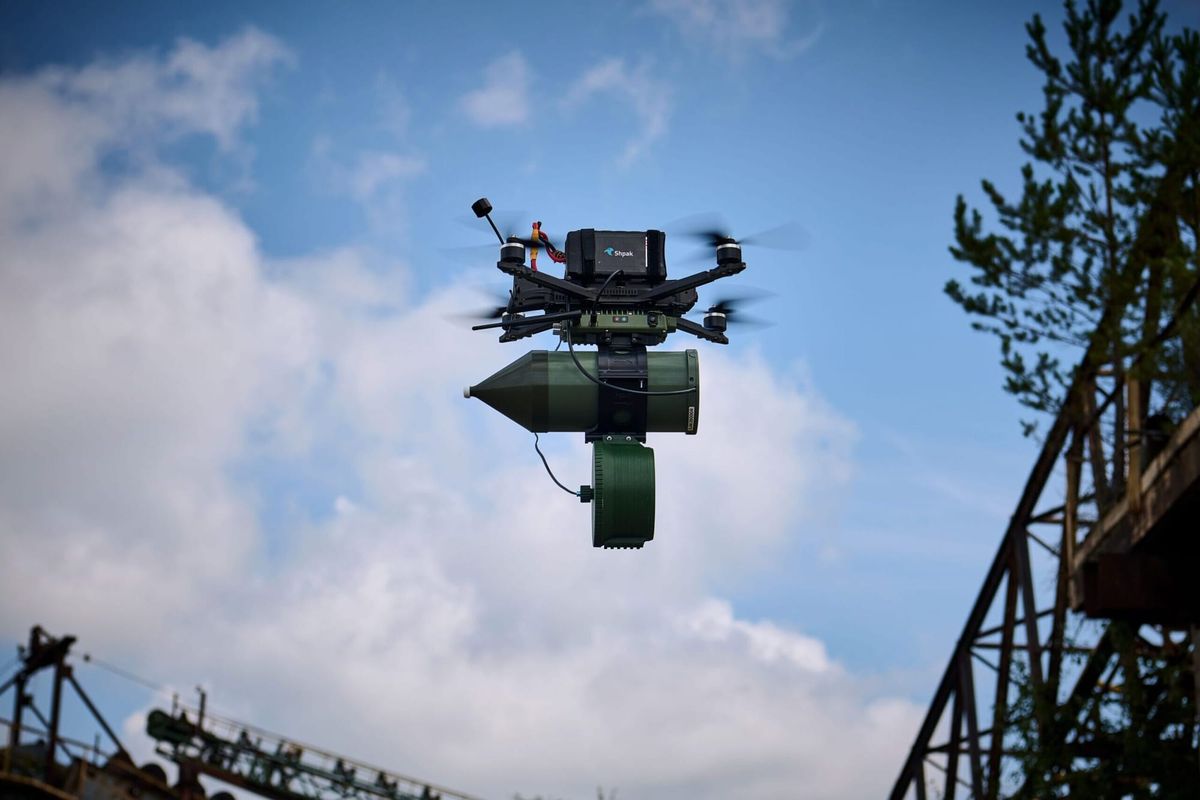
The company already operates a major production facility in Vilnius and develops the Shpak family of first-person-view drones and related military systems.
Lithuania is also accelerating procurement of drone interceptors and radar systems as it seeks to strengthen protection against low-flying aerial threats.
The proposed holding therefore raises a wider question about how European governments should support rapidly developing defense technology industries: through direct public investment and coordination, or through larger and more predictable procurement commitments.
For Lithuanian manufacturers, the immediate issue is whether government plans will lead to actual production orders. No decision establishing the holding has been announced.