Poland Pays 86 Defense Firms to Keep Production Capacity Ready
Poland has allocated PLN 350 million to 86 domestic companies and institutions to maintain defense production and repair capacity that can be rapidly expanded if required.

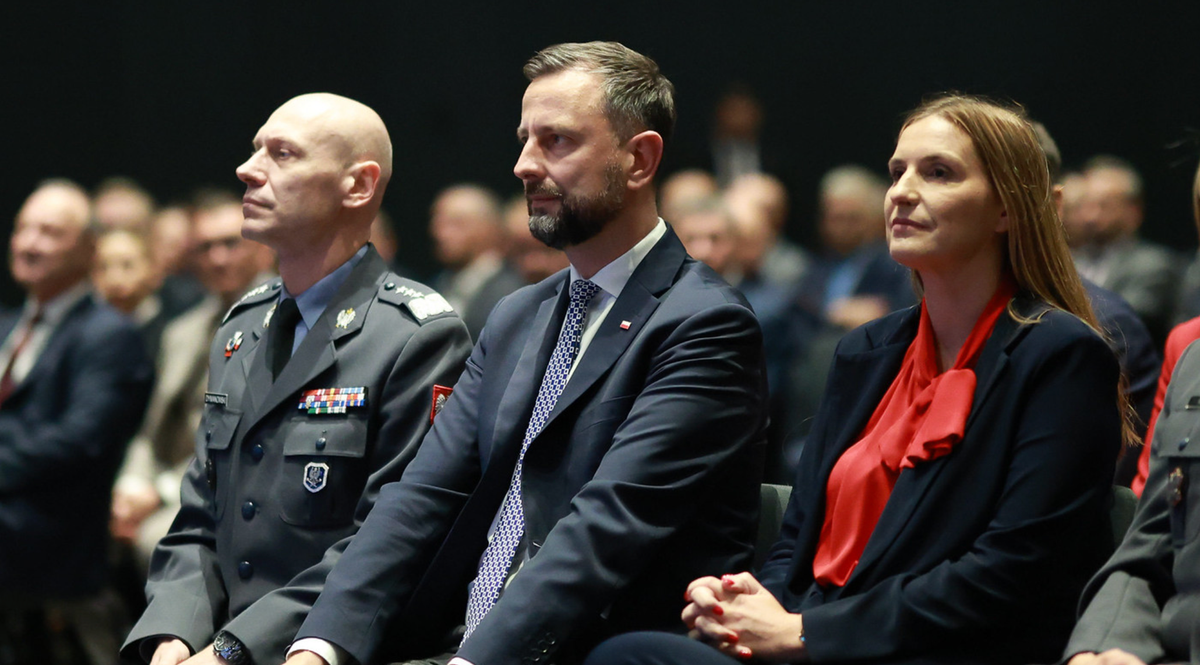
Poland's Ministry of National Defence has awarded agreements to 86 domestic companies and institutions worth a combined PLN 350 million, or around €80 million, to maintain production and repair capacity that could be rapidly expanded if required by the Polish Armed Forces.
The agreements were formally presented in Warsaw on September 29 and cover tasks carried out for the Polish military during 2026.
According to the Ministry of National Defence, the funding is intended to keep production lines, maintenance capabilities and industrial capacity in a state of readiness rather than simply financing new equipment purchases.
The ministry described the 86 recipients as a record number of companies and institutions receiving support under the initiative.
Defense Minister Władysław Kosiniak-Kamysz said the PLN 350 million is being invested to maintain production lines and servicing capabilities so that Poland's defense industry can respond quickly if demand increases.
The agreements include both state-owned and privately owned companies, with the ministry saying recipients were selected according to their usefulness to the armed forces rather than their ownership structure.
Capacity designed to expand in a crisis
A particularly significant element of the program is the requirement for participating companies to prepare for a substantial increase in activity if Poland's security situation deteriorates.
Deputy Defense Minister Magdalena Sobkowiak-Czarnecka said the agreements represent an obligation by participating companies to increase production, repair capacity and employment when required.
According to the ministry, employment among the selected companies could increase almost threefold under such circumstances.
The mechanism reflects a broader concept of defense industrial readiness in which governments finance the retention of manufacturing capacity that may not be fully utilized during peacetime but could become critical during mobilization or a prolonged conflict.
Poland has used economic mobilization mechanisms for years to maintain production and repair capabilities needed for national defense. Such arrangements allow designated companies to retain industrial infrastructure and capabilities required to support the armed forces during periods of increased demand.
Poland expands domestic defense industrial base
The latest agreements come as Poland continues to increase the role of domestic industry in its military modernization programs.
The country's defense industrial ecosystem now includes major state-controlled groups as well as a growing number of privately owned manufacturers, technology companies and dual-use suppliers.
Poland's Ministry of Development and Technology maintains a national defense industry database that had grown to 310 registered companies by September 23, covering areas ranging from weapons and ammunition to electronics, unmanned systems, cybersecurity and dual-use technologies.
The PLN 350 million allocation is separate from Poland's major weapons acquisition programs. Instead, its purpose is to preserve industrial capabilities that the government considers necessary to support military requirements and rapidly increase output if required.
The Ministry of National Defence has not publicly released a complete breakdown showing how much funding each of the 86 recipients will receive.
The approach places greater emphasis on industrial readiness alongside procurement, ensuring that factories, repair facilities and skilled workforces remain available even when they are not operating at maximum capacity.
With Poland continuing one of Europe's largest military modernization programs, maintaining the ability to repair existing equipment and expand domestic production has become an increasingly important part of the country's defense planning.