Slovenia Drops Planned Arms Export Ban, Preserving Existing Defense Trade Frameworks
Slovenia has abandoned plans to introduce a broad arms export ban affecting Israel-linked trade after concerns emerged over its legal and practical implications.

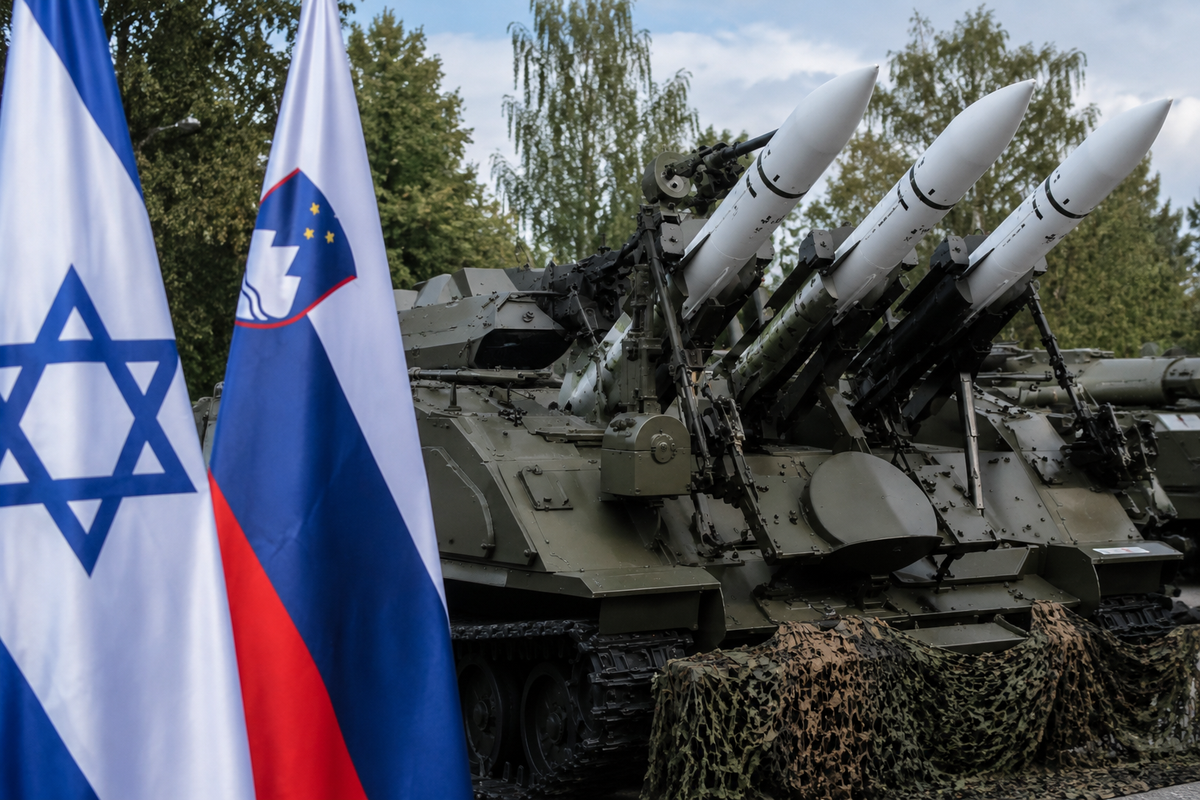
The Slovenian government has withdrawn a proposal that would have imposed broad restrictions on arms exports linked to Israel, opting instead to continue applying existing national and European Union export control regulations.
The move follows concerns regarding the legal foundation and implementation of the proposed measures. By retaining the current licensing framework, Slovenian authorities avoid introducing a separate national regime that could have created uncertainty for defense companies and international partners.
Under the existing system, export applications will continue to be assessed individually through established regulatory mechanisms. Officials indicated that current controls provide the necessary tools for reviewing defense exports while remaining aligned with broader European procedures.
The decision is likely to be welcomed by industry stakeholders, who have repeatedly stressed the importance of predictable regulatory environments for long-term defense cooperation and international supply chains. For companies operating across multiple markets, consistency in export licensing procedures remains a key factor in planning investments and partnerships.
Israel remains an important defense technology developer and supplier, particularly in areas such as air defense, unmanned systems, electronic warfare, intelligence technologies, and advanced sensors. Maintaining established trade channels allows European companies and governments to preserve access to technologies that play a significant role in modern defense modernization programs.
The reversal also highlights the challenges associated with unilateral export restrictions within the European defense market. Industry analysts have frequently argued that national measures introduced outside common EU frameworks can create uncertainty for manufacturers, suppliers, and cross-border industrial cooperation projects.
From a broader defense-industrial perspective, Slovenia's decision reinforces the principle that export controls should operate through established legal mechanisms rather than ad hoc political measures. Such an approach is generally viewed as supporting transparency, regulatory predictability, and long-term industrial planning.
While debates over defense exports to the Middle East are expected to continue across Europe, Slovenia's latest move signals a preference for existing legal frameworks and case-by-case licensing assessments rather than blanket restrictions.