The Adriatic's Emerging Role in Europe's Naval Industrial Expansion
As Europe expands naval procurement, the Adriatic region is emerging as a growing center for shipbuilding, maritime infrastructure, and defense-industrial cooperation. New investments are strengthening its role in Europe's naval sector.

The Adriatic region is gaining strategic importance as European governments increase defense spending and seek to expand industrial capacity to support military modernization programs.
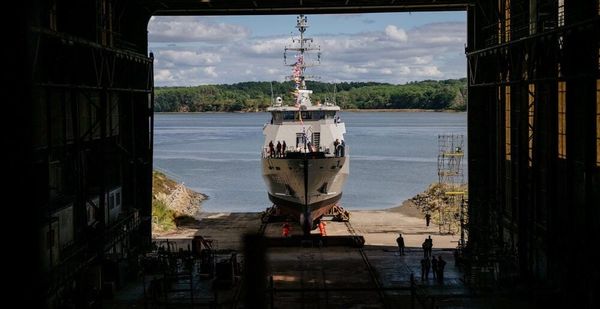
While much of Europe's recent defense-industrial focus has centered on ammunition, armored vehicles, and air defense systems, naval production is also receiving renewed attention. The Adriatic basin, stretching from Italy's established shipbuilding centers to emerging facilities along the eastern coast, is becoming an increasingly relevant part of that effort.
Italy remains the dominant naval industrial power in the region through Fincantieri, one of Europe's largest naval shipbuilders. The company continues to support major naval programs for the Italian Navy while expanding cooperation with partners across Southeast Europe.
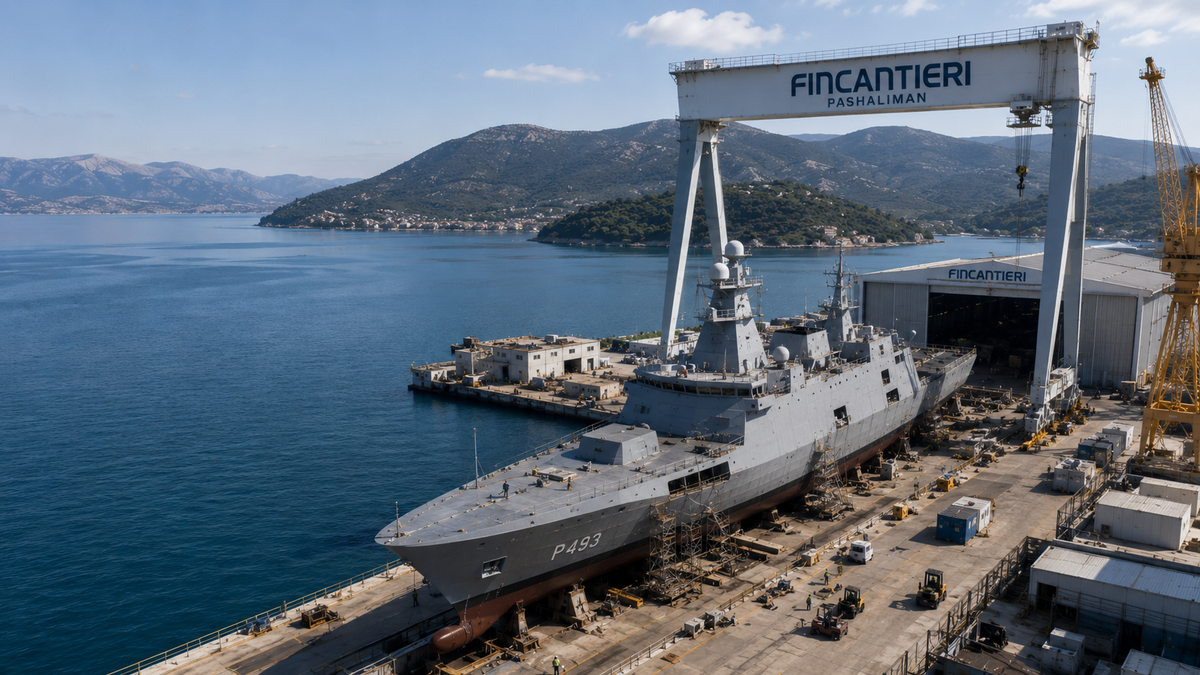
One of the most notable recent developments is the partnership between Italy's Fincantieri and Albania's state-owned defense company KAYO. The agreement aims to support military vessel production at the Pashaliman naval facility, marking a significant step in Albania's efforts to develop domestic defense-industrial capabilities and strengthen its position within European supply chains.
The initiative reflects a broader trend among smaller European countries seeking to expand local industrial capacity while integrating more closely into NATO and European defense networks. Rather than developing complete naval programs independently, many states are turning to partnerships with established manufacturers to gain access to technology, expertise, and production opportunities.
Croatia also remains an important maritime industrial player. Although its commercial shipbuilding sector has undergone significant restructuring over the past decade, the country retains shipbuilding expertise, skilled labor, and infrastructure that could support future defense-related projects as demand for naval platforms grows across Europe.
Further south, Montenegro continues to modernize maritime infrastructure and naval capabilities as part of its NATO commitments. While the country does not possess a major naval manufacturing base, its ports and coastal facilities remain strategically relevant for Allied operations in the Adriatic.
At the European level, the naval sector is also experiencing increased consolidation as defense companies seek additional capacity and specialized technologies. One notable example is Rheinmetall's acquisition of German naval shipbuilder Naval Vessels Lürssen, a move that reflects growing demand for maritime platforms and naval production capabilities across Europe.
Maritime security requirements are also driving investment. NATO has placed increasing emphasis on the protection of critical undersea infrastructure, freedom of navigation, and the security of key sea lines of communication. These priorities are creating new opportunities for shipbuilders, maintenance providers, and maritime technology companies throughout the region.
For European governments, expanding naval industrial capacity has become a long-term strategic objective. Shipbuilding programs often require years of planning and production, making regional partnerships and additional manufacturing capacity increasingly valuable.
Although the Adriatic is unlikely to rival Northern Europe's largest naval production centers in the near future, recent developments suggest the region is carving out a growing role within Europe's evolving maritime defense-industrial landscape. For countries along both shores of the Adriatic, the combination of geography, industrial expertise, and NATO integration is creating new opportunities in a rapidly expanding naval market.