Boeing Wins €28.6 Million NATO C-17 Training Support Contract in Hungary
Boeing wins a €28.6 million contract to support NATO's C-17 flight training system at Pápa Air Base in Hungary, serving 12 countries through 2029.

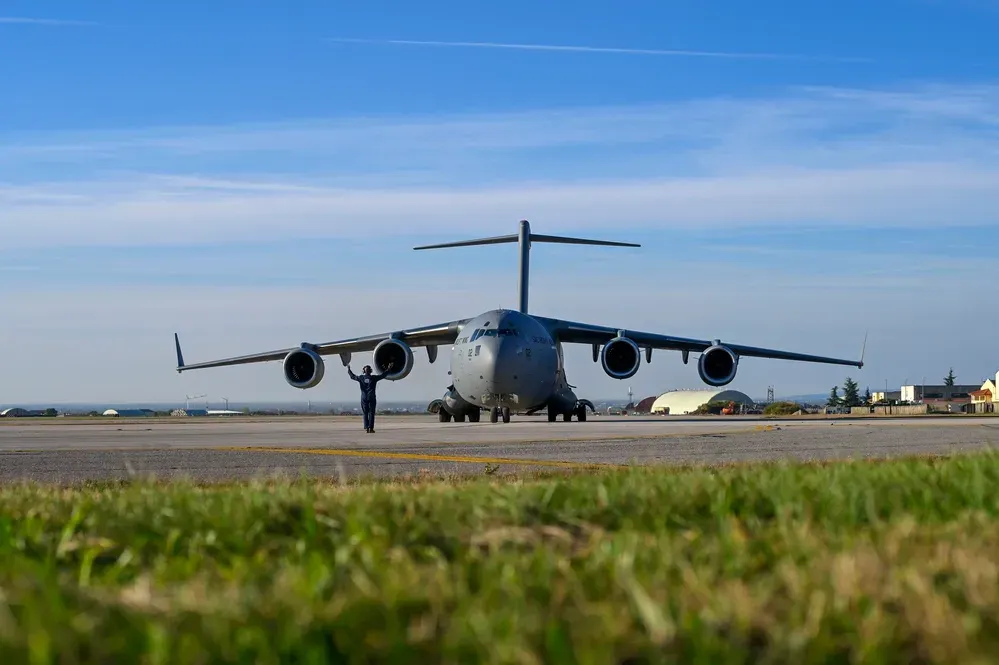
Boeing has secured a contract worth up to €28.6 million to support the C-17 Globemaster III military transport aircraft training system at Pápa Air Base in Hungary, strengthening its role in the multinational Strategic Airlift Capability program operated by 12 NATO countries.
The agreement, announced by the US Department of War on October 29, 2026, covers three years of logistics support for the C-17 Weapon System Trainer used by the NATO Airlift Management Programme (NAMP). Work will be performed at Pápa Air Base and is scheduled for completion by October 31, 2029.
The contract has a maximum value of approximately €28.6 million, with around €20.9 million in Foreign Military Sales funding obligated at the time of the award. The US Air Force Life Cycle Management Center at Wright-Patterson Air Force Base, Ohio, is the contracting authority.
Boeing's St. Louis-based operations will serve as the prime contractor under agreement FA8621-27-C-B002.
Hungary Hosts NATO's Multinational C-17 Fleet
Pápa Air Base in western Hungary hosts the Heavy Airlift Wing (HAW), which operates three Boeing C-17 Globemaster III strategic transport aircraft under the Strategic Airlift Capability (SAC) program.
The initiative brings together 12 participating countries: Bulgaria, Estonia, Finland, Hungary, Lithuania, the Netherlands, Norway, Poland, Romania, Slovenia, Sweden and the United States.
Established in 2008, the program allows participating countries to share the costs and operational availability of strategic military transport aircraft rather than maintaining separate national C-17 fleets.
The aircraft are operated by multinational military crews and support national requirements, NATO-related missions, humanitarian operations and other international commitments.
The fleet is managed and supported through the NATO Support and Procurement Agency (NSPA), while the Heavy Airlift Wing handles flight operations at Pápa.
According to NATO, the C-17 can transport approximately 77 tonnes of cargo over 4,450 kilometers, providing participating countries with heavy strategic airlift capabilities.
New Contract Supports C-17 Flight Training Infrastructure
The newly awarded Boeing contract specifically covers logistics support for the C-17 Weapon System Trainer, rather than the maintenance of the three aircraft themselves.
The simulator allows flight crews to practice aircraft procedures, operational scenarios and emergency responses in a controlled training environment without requiring an aircraft for every training session.
NATO officially opened a new C-17 Aircrew Training and Simulator Building at Pápa Air Base in May 2025, expanding the infrastructure supporting the multinational fleet.
The new support agreement provides continuity for the training capability through October 2029 and represents a further investment in the specialized infrastructure required to operate multinational military aviation assets.
For Boeing, the contract reinforces its position in long-term military aircraft support and training services, an important part of the company's defense business beyond the original production of aircraft.
Boeing Maintains Technical Presence in Hungary
Boeing also maintains a separate aircraft sustainment presence at Pápa Air Base, supporting the operational readiness of the Strategic Airlift Capability fleet.
The company has recently advertised several technical positions associated with its C-17 activities in Hungary, including aircraft mechanics and an avionics and mission systems engineer.
These positions relate to Boeing's broader C-17 sustainment activities and should not be interpreted as newly created positions under the simulator support agreement.
The combination of aircraft maintenance, training infrastructure and long-term support contracts illustrates the role of Hungary as an established European center for multinational strategic airlift operations.
For Central and Eastern European NATO members, the Heavy Airlift Wing provides access to transport capabilities that would be costly to acquire and operate independently.
Poland, one of the participating countries, is also examining additional military transport capabilities. AdriaDefense previously reported that Warsaw was seeking additional EU SAFE financing for transport and aerial refueling aircraft, reflecting wider European interest in strengthening military mobility.
The latest Boeing award demonstrates how multinational military aviation programs generate continuing demand for specialized training systems, technical services and lifecycle support, even when no new aircraft are being purchased.
Currency values are approximate and based on the European Central Bank reference exchange rate of October 30, 2026.
Sources: US Department of War, Contracts for October 29, 2026; NATO, Strategic Airlift Capability; Boeing Careers, Pápa.