Michal Strnad Buys 14% Pirelli Stake as Chinese Investor Cuts Holding
Czechoslovak Group owner Michal Strnad has acquired a 14% stake in Italy's Pirelli from China's Sinochem in a deal worth about €987 million, strengthening European ownership of the tire manufacturer amid growing geopolitical scrutiny.

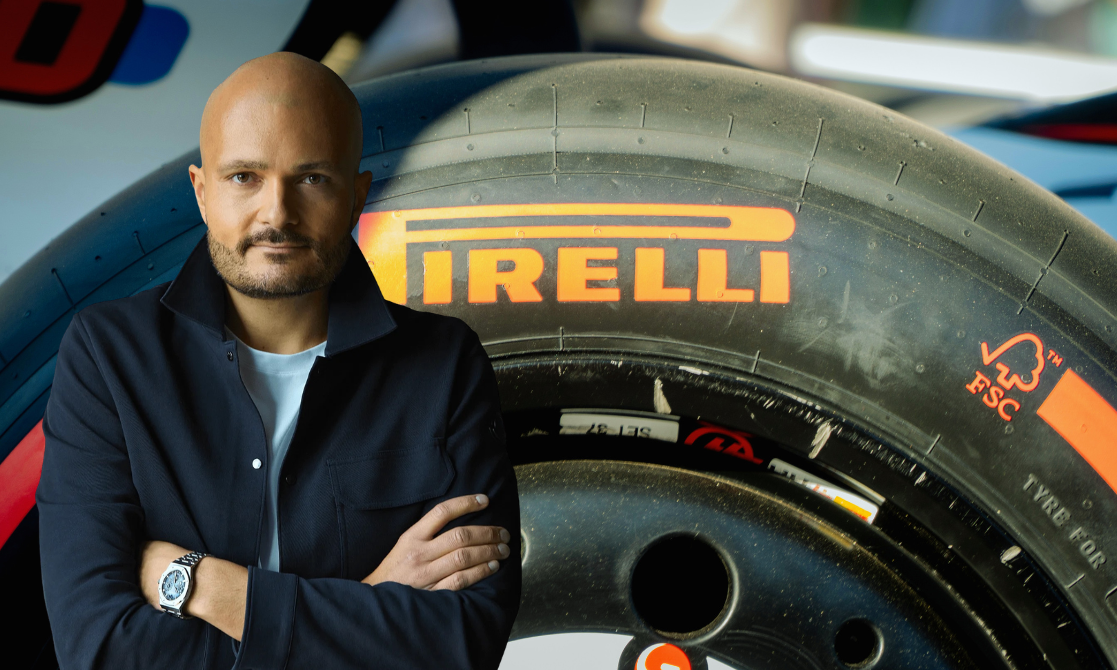
Czechoslovak Group (CSG) owner Michal Strnad has acquired a 14% stake in Italian tire manufacturer Pirelli from China's state-owned Sinochem, becoming the company's third-largest shareholder. The transaction, valued at approximately €987 million, reduces Sinochem's holding from 34.1% to 20.1% and significantly increases European ownership of one of the world's leading premium tire manufacturers.
The acquisition comes after years of governance disputes surrounding Sinochem's role in Pirelli and repeated intervention by the Italian government under its golden power legislation, which limited the Chinese investor's influence over the company's management and strategic decisions.
A strategic investment beyond the defense sector
The purchase was made through Strnad's investment vehicle Lumina Crown, which described the acquisition as a long-term investment. While CSG is best known as one of Europe's fastest-growing defense manufacturers, the investment is separate from the group's industrial operations and represents a significant move into the broader European industrial sector.
Pirelli remains one of Europe's most recognizable industrial brands, supplying premium tires for passenger vehicles, motorsport, and increasingly connected mobility applications. The company has also expanded its Cyber Tyre technology, which integrates sensors capable of transmitting vehicle and road data, making ownership of the company more politically sensitive amid growing scrutiny of Chinese technology in Western markets.
Italy sought to reduce Chinese influence
Rome has gradually reduced Sinochem's influence since first invoking its golden power legislation in 2023. Earlier this year, the Italian government imposed additional restrictions limiting Sinochem to three seats on Pirelli's 15-member board while preventing its representatives from serving as chairman or chief executive.
The governance changes were intended to preserve Pirelli's access to the United States, where regulators have increased scrutiny of Chinese involvement in companies developing connected automotive technologies. Italian officials argued that limiting Chinese control would help protect Pirelli's competitiveness in its largest premium export markets.
Following the transaction, Camfin, the investment vehicle controlled by Marco Tronchetti Provera, becomes Pirelli's largest shareholder with approximately 26%, while Sinochem falls to second place and Strnad becomes the third-largest investor.
Why would Michal Strnad invest in Pirelli?
Although neither Strnad nor CSG has outlined a broader strategic rationale beyond describing the purchase as a long-term investment, several industrial factors may explain the move.
First, the investment aligns with Strnad's broader strategy of building a diversified European industrial portfolio. Over the past several years, CSG has expanded beyond traditional defense manufacturing into aerospace, automotive components, ammunition, industrial engineering, and advanced manufacturing. A minority position in Pirelli provides exposure to another globally recognized European industrial company without requiring operational control.
Second, the transaction strengthens Strnad's presence in Italy, where CSG already owns ammunition manufacturer Fiocchi Munizioni and premium shotgun producer Perazzi. A significant investment in one of Italy's flagship industrial companies could deepen relationships with Italian industry and financial institutions while reinforcing CSG's position as a long-term European industrial investor rather than solely a defense company.
Third, the timing suggests an opportunity created by geopolitics. Italy had already curtailed Sinochem's governance rights, and reducing Chinese ownership was widely viewed as beneficial for Pirelli's access to the U.S. market and other sensitive jurisdictions. By acquiring shares that another investor was effectively encouraged to sell, Strnad entered a high-quality industrial asset at a moment when strategic rather than purely financial considerations influenced the transaction.
Finally, the investment may reflect confidence in Europe's industrial and mobility sectors. Tire manufacturers remain essential suppliers to both civilian automotive markets and defense logistics, although there is no indication that this transaction is directly linked to CSG's defense business.
Taken together, the acquisition appears less like a defense investment and more like a strategic industrial diversification by one of Europe's fastest-growing manufacturing entrepreneurs. While operational cooperation between Pirelli and CSG cannot be ruled out in the future, there is currently no public evidence that such plans exist.
Questions and Answers
Why did Michal Strnad buy shares in Pirelli?
Strnad has described the acquisition as a long-term investment. Analysts also see potential benefits from portfolio diversification, expanding his Italian industrial presence, and investing in a strategic European manufacturer whose ownership structure has been reshaped by geopolitical developments.
Why did Sinochem sell part of its stake?
The sale follows years of governance disputes and restrictions imposed by the Italian government that significantly reduced Sinochem's influence over Pirelli's management.
Does this affect Czechoslovak Group's defense business?
The investment was made through Strnad's investment company rather than CSG itself. No direct connection to CSG's defense operations has been announced.
Why is Pirelli strategically important?
Beyond manufacturing premium tires, Pirelli develops connected tire technologies that have become subject to increasing regulatory scrutiny because they collect and transmit vehicle data.