Moldova Eyes Ukrainian Interceptor Drones Under New Five-Year Defense Agreement
Moldova and Ukraine sign a five-year defense cooperation agreement opening the door to Ukrainian interceptor drones, electronic warfare systems and joint defense projects.

Moldova is seeking access to Ukrainian interceptor drones and electronic warfare technologies following the signing of a five-year military-technical cooperation agreement with Ukraine. The arrangement could open new opportunities for Ukrainian defense manufacturers as Moldova looks to strengthen its airspace protection capabilities.
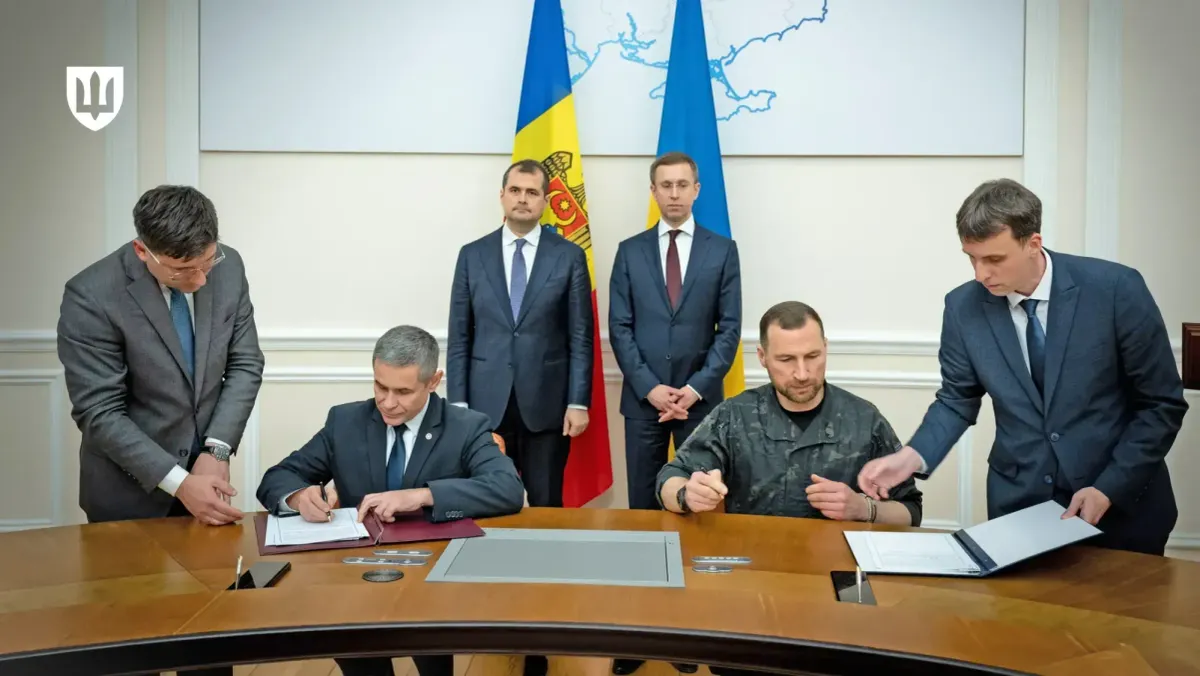
The agreement was signed in Kyiv on October 26, 2026, by Moldovan Defense Minister Anatolie Nosatîi and his Ukrainian counterpart Yevhenii Khmara, in the presence of the two countries' prime ministers.
Moldovan Prime Minister Vasile Tofan confirmed on October 27 that the agreement would provide a framework for accessing Ukrainian defense technologies tested in combat, including drone interceptors. No specific procurement contracts, manufacturers, quantities or investment values have been announced.
Ukraine Offers Combat-Tested Drone Interceptors and EW Expertise
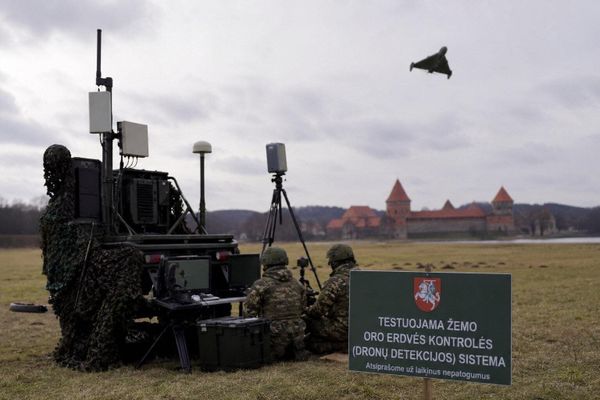
Ukraine's Ministry of Defence said the cooperation would focus on counter-drone operations, early warning, airspace surveillance and electronic warfare.
Ukrainian Defense Minister Khmara highlighted the operational experience gained by Ukrainian interceptor drones and electronic warfare systems against Russian unmanned aircraft. Kyiv has offered to help Moldova determine which defensive capabilities it requires and the quantities needed to improve protection against aerial threats.
Deputy Defense Minister Anna Gvozdiar also identified Ukraine's domestic defense industry as a potential source of technologies and expertise for Moldova's modernization efforts.
Ukrainian manufacturers have developed a growing range of relatively inexpensive interceptor drones designed to engage Shahed-type attack aircraft and other unmanned threats.
Systems developed by companies such as SkyFall and Wild Hornets demonstrate the technologies now available from Ukraine's defense sector. However, neither manufacturer has been publicly identified as a supplier under the new Moldovan agreement.
As AdriaDefense previously reported, Ukraine's interceptor drone industry has attracted international attention as European countries look for alternatives to using expensive conventional missiles against low-cost UAVs.
Five-Year Agreement Covers Defense Production and Technology Transfer
The agreement extends beyond counter-drone systems and provides a framework for cooperation across several defense-industrial activities.
According to Ukraine's Ministry of Defence, the areas covered include military equipment modernization, repair and maintenance, specialist training, technology exchange, joint research and development, cybersecurity and airspace protection.
The agreement has an initial duration of five years, with the possibility of automatic extension.
For Ukrainian defense companies, the framework could eventually create opportunities to supply equipment, provide technical support or participate in joint development projects with Moldovan partners. The extent of such industrial cooperation will depend on subsequent agreements and procurement decisions.
Moldova has also been considering changes that would make it easier for private and foreign investors to participate in its domestic defense industry, including counter-drone manufacturing.
In September, AdriaDefense reported on discussions between Romania, Moldova and Ukraine concerning drone production and airspace protection. The newly signed bilateral agreement represents a further step by establishing a formal cooperation framework between Chișinău and Kyiv.
More Than 100 Airspace Violations Increase Pressure on Moldova
Moldova's interest in Ukrainian counter-drone technologies follows repeated airspace violations linked to Russian attacks against neighboring Ukraine.
According to Moldova's Ministry of Defense, the country has recorded more than 100 airspace violations since the beginning of Russia's full-scale invasion in 2022.
The incidents have included unmanned aircraft crossing Moldovan territory and drone debris falling near populated areas.
On September 30, a suspected Russian Geran-4 drone crashed and exploded in Moldova's Orhei district during a series of unauthorized flights. AdriaDefense reported that investigators recovered components bearing Geran-4 markings, including a turbojet engine.
These incidents have increased pressure on Moldovan authorities to improve low-altitude detection, warning systems and the ability to intercept unmanned aircraft.
Moldova maintains constitutional neutrality, and its government has stressed that the agreement with Ukraine does not represent a mutual defense treaty or alter that status.
For the defense industry, the next question is whether the new framework will translate into equipment orders, technology transfer or joint manufacturing projects.
The two governments have not yet announced specific interceptor models, participating companies or delivery schedules.
Sources: Ukrainian Ministry of Defence, October 26–27, 2026; Moldovan Ministry of Defence, October 26; Moldpres, October 27.