Romania Seeks Expanded U.S. Defense Production and Maintenance Partnerships
Romania seeks deeper U.S. defense industry cooperation in production, maintenance and logistics as Bucharest pushes for a stronger American presence.

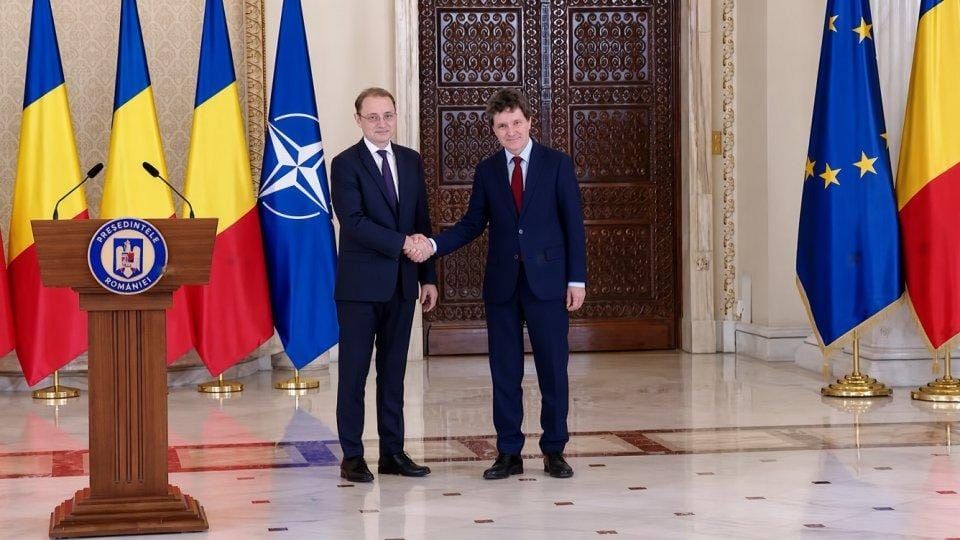
Romania is seeking closer industrial cooperation with the United States in military equipment production, maintenance and logistics, as Bucharest works to strengthen its defense manufacturing base and secure a larger American military and economic presence on NATO's southeastern flank.
Prime Minister Luca Niculescu raised the proposals during talks with U.S. Under Secretary of War for Policy Elbridge Colby in Bucharest on November 5. The discussions addressed defense industrial investment, modernization of military capabilities and security in the Black Sea region.
The Romanian government presented industrial cooperation as part of a broader effort to strengthen the bilateral strategic partnership, although no new manufacturing contract, investment value or specific industrial project was announced following the meeting.
Bucharest seeks production and maintenance projects
According to a statement reported by Romanian national news agency AGERPRES, Niculescu expressed interest in expanding cooperation with the United States through projects involving defense production, maintenance and logistical support.
The stated objective is to develop Romania's national defense industrial base while supporting the country's military modernization commitments.
The approach could offer opportunities for U.S. defense companies and Romanian industrial partners involved in manufacturing, sustainment and military logistics, although the government has not identified specific companies or procurement programs associated with the proposals.
Romania is also seeking to increase investment in dual-use infrastructure, which can support military operations while serving civilian transportation and logistical requirements.
Niculescu emphasized that the government intends to allocate substantial resources to defense despite budgetary constraints, while meeting commitments undertaken within NATO.
The talks reflected Bucharest's interest in expanding the economic dimension of its security relationship with Washington rather than relying exclusively on the presence of American military forces.
Black Sea security remains central to bilateral cooperation
The meeting took place against a deteriorating security environment in the Black Sea, where Russian military operations against Ukraine continue to affect nearby NATO territory and regional maritime traffic.
Romanian officials raised concerns about drone activity, attacks involving commercial vessels and the wider risks to freedom of navigation.
The discussion followed a separate meeting on November 4 between Colby and Romanian Defense Minister Ștefan-Radu Oprea.
According to the Romanian Ministry of National Defense, those talks focused on strengthening deterrence and defense along NATO's eastern flank, with particular attention to the Black Sea and the alliance's evolving defense requirements.
The ministry also referred to the implementation of NATO 3.0, a concept associated with greater European responsibility for conventional defense and a revised distribution of responsibilities among Allies.
Romania wants a stronger U.S. presence
Niculescu reiterated Romania's interest in a stronger American military and economic presence in the country, emphasizing its geographical position and operational importance for NATO.
Romania already hosts significant allied military infrastructure, including the Mihail Kogălniceanu Air Base near Constanța and the Aegis Ashore ballistic missile defense installation at Deveselu.
Mihail Kogălniceanu is undergoing a long-term expansion intended to increase its capacity to host Romanian and allied forces.
As AdriaDefense previously reported, Bucharest has treated the expansion of American military cooperation and the modernization of its own defense infrastructure as parallel priorities.
The November 5 discussions add a more explicit industrial dimension to those objectives.
For defense manufacturers, the important question is whether Romania and the United States move from political support for cooperation toward identifiable industrial agreements, local production arrangements and long-term maintenance contracts.
No such agreements were publicly announced at the meeting. Nevertheless, Bucharest has made clear that industrial capacity, not only troop deployments, will form part of its effort to strengthen its position within NATO's southeastern defense architecture.