Slovakia to Send Low-Altitude Radars to Romania’s Border
Slovakia will deploy low-altitude radars and personnel to Romania as Bucharest strengthens surveillance along its eastern border after repeated drone incidents.

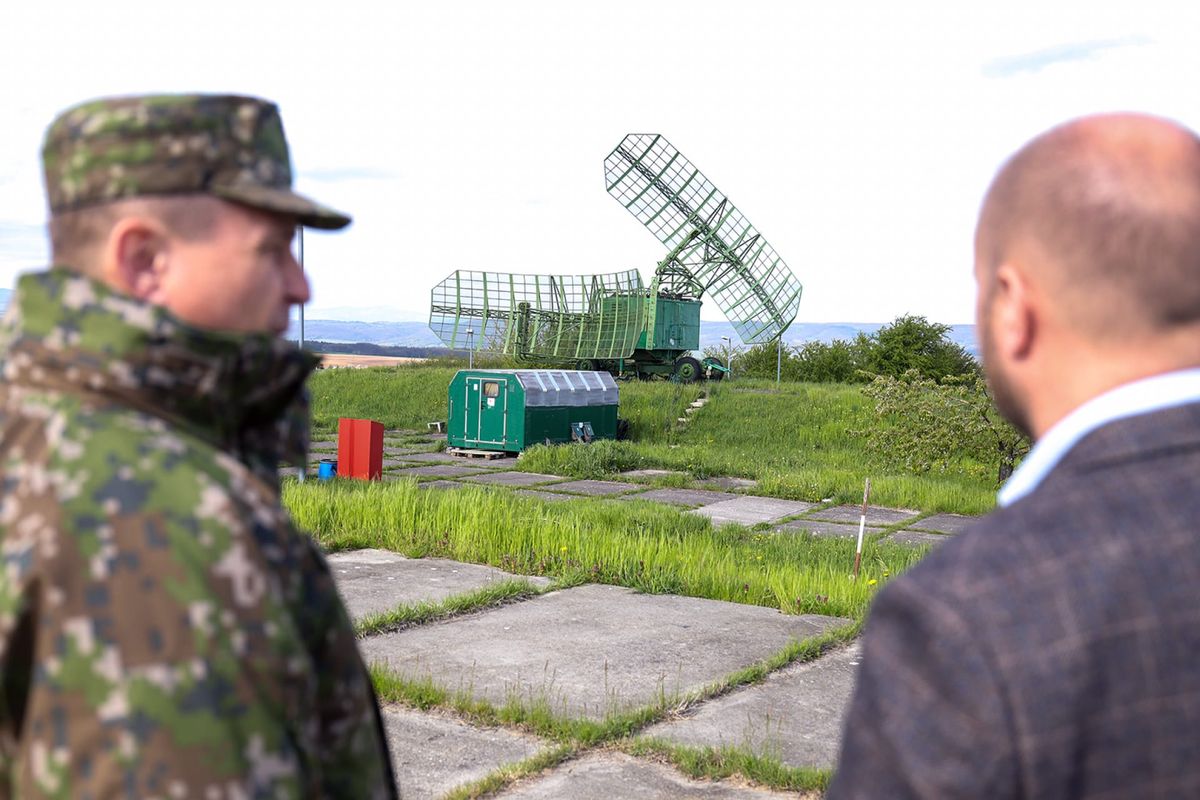
Slovakia will deploy low-altitude radar systems and personnel to Romania to strengthen surveillance along the country’s eastern border, Romanian interim Defense Minister Radu Miruță announced on September 1. The Slovak government approved the deployment following a Romanian request for additional surveillance capabilities raised at both NATO and European Union level.
The announcement comes as Romania faces repeated unmanned aerial vehicle activity near its border with Ukraine. Hours before the Slovak deployment was announced, Romanian military radars detected two aerial targets 24 kilometers northeast of Vylkove, Ukraine, prompting Spanish F-18 fighters and a Romanian IAR-330 Puma SOCAT helicopter to take off.
Slovak radars will reinforce Romania’s low-altitude surveillance
Miruță said Slovakia will provide both the low-altitude radars and personnel required to operate them. He credited Slovak Defense Minister Robert Kaliňák and the Slovak government for approving the deployment after Romania sought additional support from allies.
Neither Bucharest nor Bratislava has publicly specified the radar model, number of systems, deployment locations or duration of the mission. The available announcements therefore indicate an operational deployment rather than a Romanian procurement of Slovak equipment.
Low-altitude surveillance has become increasingly important for Romania as unmanned aircraft operating near the Danube Delta and Black Sea approach NATO territory at relatively low altitudes.
Romania has repeatedly activated aircraft, helicopters and civilian warning systems during Russian attacks against Ukrainian targets close to its border.
Drone activity keeps Romanian forces on alert
The Romanian Ministry of National Defense reported that its radar network detected two aerial targets at 23:30 on August 31, approximately 24 kilometers northeast of Vylkove and close to Romania. Two Spanish Air and Space Force F-18 fighters operating from the 57th Mihail Kogălniceanu Air Base under NATO Enhanced Air Policing launched at 23:43.
A Romanian Air Force IAR-330 Puma SOCAT helicopter followed at 00:05. Romanian authorities also issued a RO-Alert warning for northeastern Tulcea County at 23:56, while the pilots reported explosions on Ukrainian territory. Romania reported no unauthorized penetration of its airspace during that incident.
The event followed another alert on August 27. Romanian radars detected a group of aerial targets in Ukrainian airspace near the border at 10:08, after which two Spanish F-18s and an IAR-330 Puma SOCAT were launched to monitor the situation.
On August 20, the Romanian military reported a more direct incident. Radar detected aerial targets north of Tulcea County before a drone entered Romanian airspace at 03:21, approximately 13 kilometers east of Galați. Three minutes later, the crew of an IAR-330 Puma SOCAT reported that the drone had crashed roughly 4 kilometers northeast of Grindu in an uninhabited area.
No casualties or material damage were reported in that incident.
Romania adds allied sensors to eastern flank defenses
The Slovak deployment illustrates a broader challenge for NATO countries bordering Ukraine: maintaining persistent detection of small and low-flying aerial targets without relying exclusively on fighter aircraft to investigate every radar contact.
Romania already combines its national radar network with NATO air policing assets. Spanish F-18 fighters currently operate from Mihail Kogălniceanu Air Base as part of NATO Enhanced Air Policing, while Romanian helicopters have also supported identification and reconnaissance missions during recent alerts.
Adding Slovak low-altitude sensors could expand the surveillance layer available along the eastern frontier. However, without disclosure of the radar type, quantity and deployment area, it is too early to assess how much additional coverage the systems will provide.
The deployment also represents direct Central and Eastern European defense cooperation between two NATO members responding to a threat generated along the Alliance’s eastern boundary.
Why is Slovakia sending radars to Romania?
Romania requested additional surveillance capabilities through NATO and European Union channels. Slovakia subsequently approved the deployment of low-altitude radars and operating personnel to strengthen monitoring along Romania’s eastern border.
What type of radar will Slovakia deploy?
Officials have described the equipment only as low-altitude radar systems. Slovakia and Romania have not publicly identified the model, number of radars or exact deployment locations.
Is Romania buying the Slovak radar systems?
No procurement has been announced. The information released so far describes a Slovak deployment of radar systems and personnel to Romania.
Why does Romania need additional low-altitude surveillance?
Romania has faced repeated aerial activity close to its border during attacks against Ukraine. On August 20, Romanian authorities reported that a drone entered national airspace near Galați before crashing northeast of Grindu.
The Slovak deployment adds another surveillance component as Romania and its NATO allies adapt eastern flank defenses to persistent unmanned aerial threats.